Shop by Region

Pasture seed mixes

Request a custom seed mix

Contact us

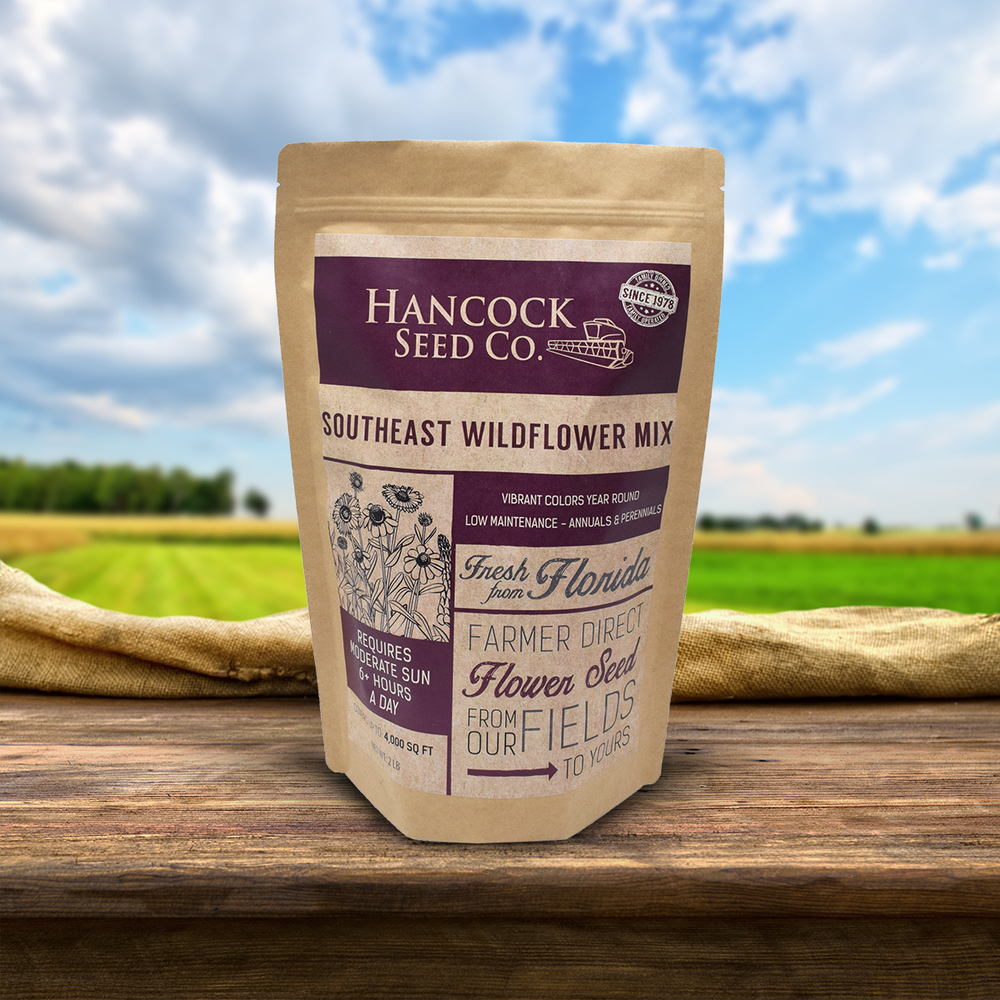
Beautiful Blooms with Hancock Seed

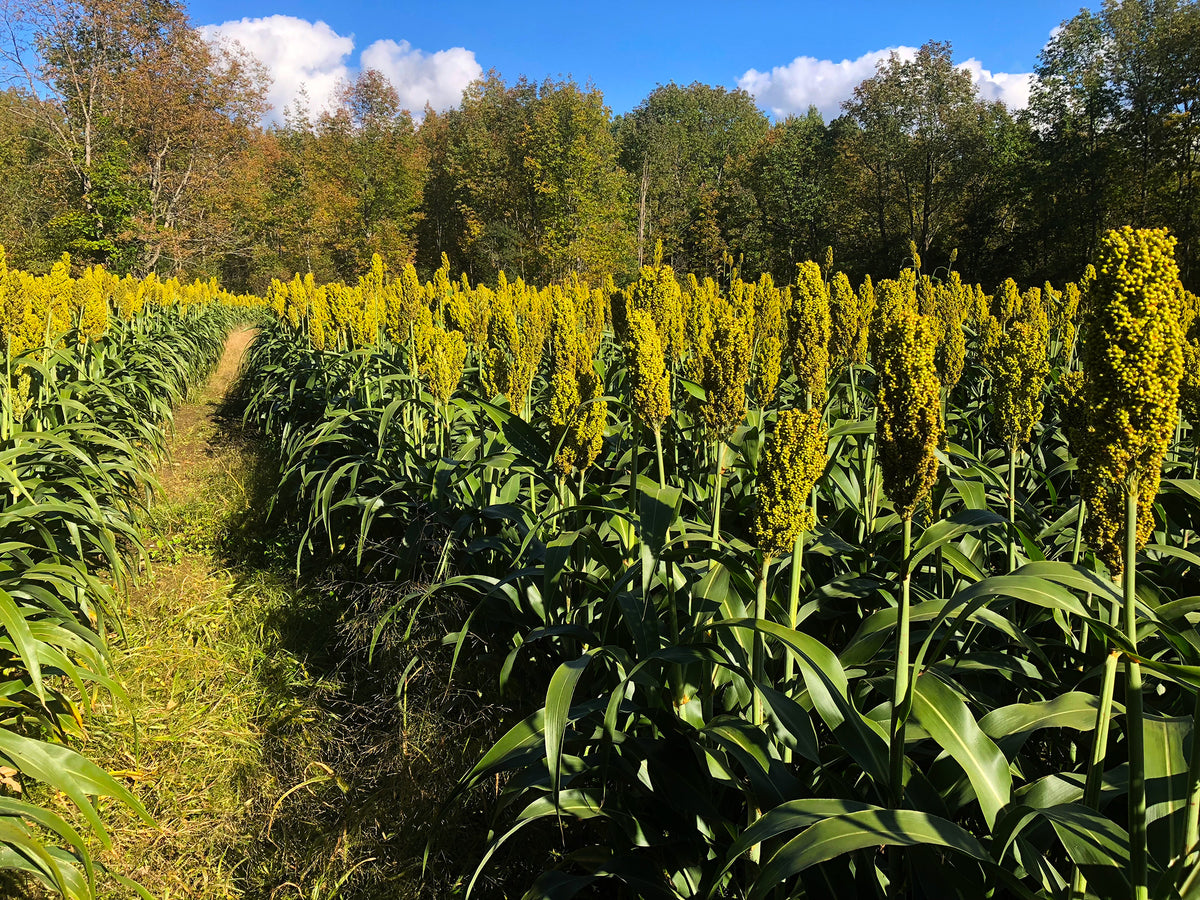

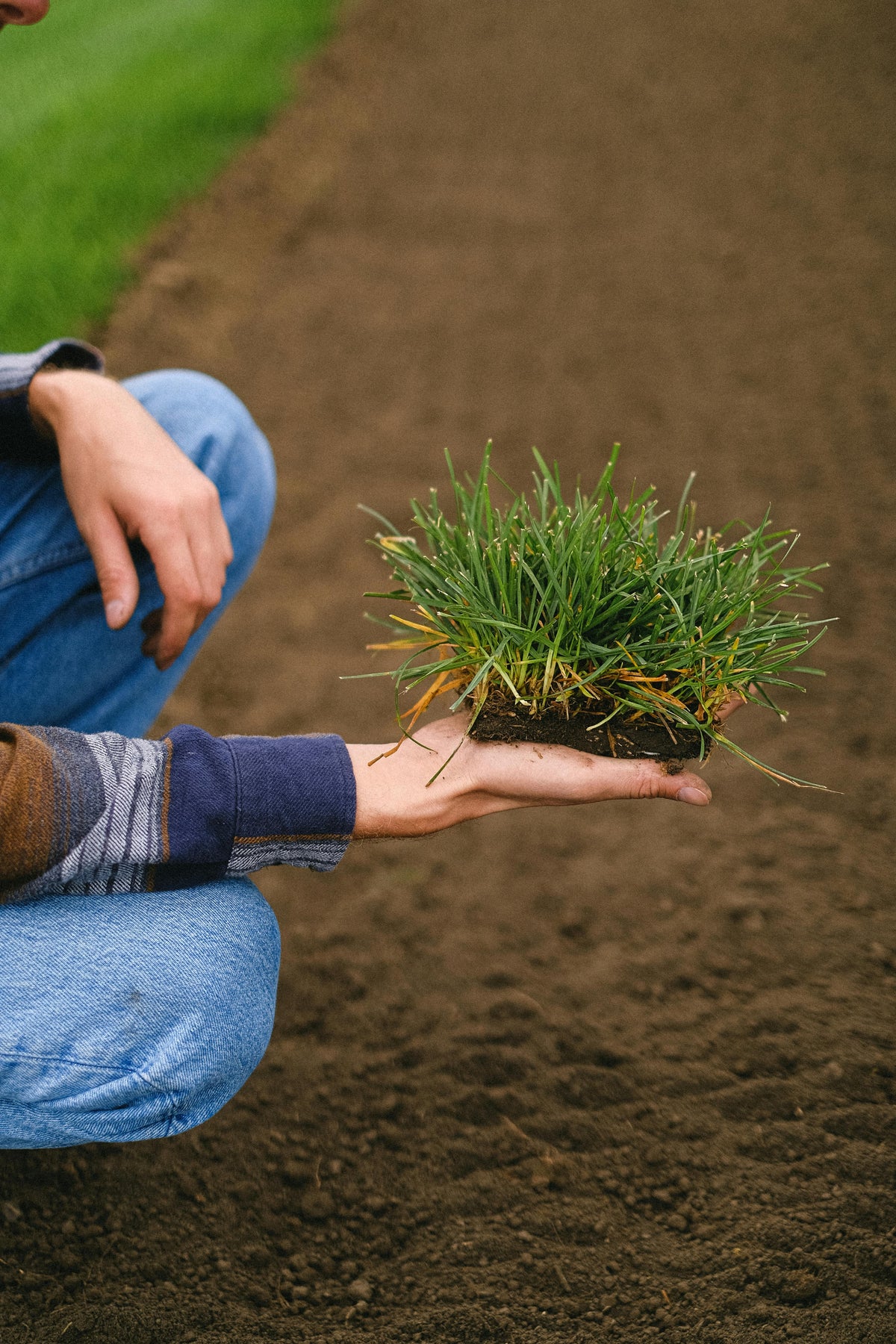
Spring Seed Collection
Jump-start your best season yet with Hancock Seed’s Spring Seed Collection, featuring a full range of lawn, pasture, wildlife, wildflower, and homestead seeds in mixes, blends, and single varieties. From high-performance Bermuda, Bahia, Centipede, and speciality lawn mixtures to wildlife food plots, wildflowers, and Signature Series formulas, these spring-ready options are selected to establish quickly and perform in various climates and changing conditions. Explore U.S.-grown and carefully sourced international varieties to find the right grass, food plot, and homestead seed to turn your spring projects into lasting results.




Top Product Questions
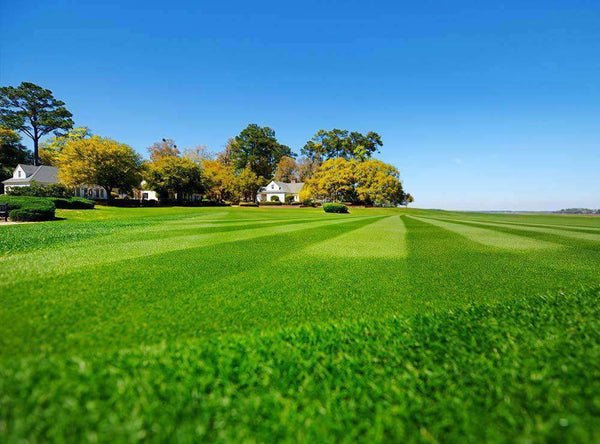
Not sure which seed is right for your lawn, pasture, or food plot? Start with these Top Product Questions for clear, straightforward guidance.From comparing grass varieties to figuring out how much to plant and when to sow, our experts break down the details in clear, practical terms so you can get the best results from every bag. Whether you are building a thicker lawn, establishing a pasture, or planning a wildlife food plot, these answers guide you to the products and planting practices that fit your goals and growing conditions.
Which clover is best for my lawn or pasture?
White Dutch Clover is a hardy perennial that stays low (4–8") and spreads quickly, making it great for long-term lawns or pastures.
Microclover has very small leaves and fewer blooms, creating a dense, tidy lawn with less mowing. It’s best for residential yards but less shade- and drought-tolerant than White Dutch.
Crimson Clover is an annual known for bright red blooms and quick nitrogen-fixing. It’s ideal as a winter cover crop or for enriching soil before spring planting.
How much seed do I need?
- White Dutch: 10-15 lbs./acre
- Microclover: 1-2 lbs. per 1,000 sq. ft. (50-100 lbs./acre)
- Crimson Clover Coated: 20-25 lbs./acre
When should I plant?
- Spring: When night time temperatures are consistently below 65 degrees after the last chance of frost.
- Fall: When night time temperatures are consistently below 65 degrees. Ideally 8 weeks before the first frost .
- Late Winter: Frost seeding works well in northern areas.
Planting tips:
Keep soil pH 6.0–7.0, use Type A/B Type inoculant, sow ⅛–¼" deep, and keep soil moist until germination.
For pairings, explore Orchardgrass, Timothy, Ryegrass, Alfalfa, or Fescue.
Which Bermuda grass seed is best for my area?
Choosing the right Bermuda grass depends on your climate and whether you’re planting a lawn or pasture. Across the Southern U.S., Bermuda grass thrives thanks to its heat tolerance, deep roots, and dense, traffic-resistant characteristics.
- Texas: For full sun areas, choose heat- and drought-hardy options like High Rancher Bermuda for pastures and Highlander Turf Bermuda for lawns
- Florida: Humid, coastal areas perform best with salt-tolerant grasses such as Highlander Turf Bermuda – great for lawns and pastures.
- Georgia: For forage, try a blend like Hancock’s Hay Maker Bermuda or our Spring & Summer Common Bermuda Mix for strong growth and quick coverage.
- VA, NC & SC: Northern transition climates benefit from cold-tolerant varieties such as Yukon Bermuda or LaPrima Bermuda for high quality lawn and turf.
When and how should I plant?
- Best Time: Late spring or early summer, once night time temps stay above 65°F (18°C).
- Soil Prep: pH 5.5-7.0; remove all old vegetation to prepare a clean seedbed. Drag or rake the area to loosen and level any hard or uneven spots if needed.
- Depth: Plant shallow (⅛ inch) and firm the seedbed with a roller for good contact.
- Aftercare: Keep soil moist during germination.
Pro Tip: Bermuda grass performs best in full sun and fertilizing using Hancock’s 16-04-08 Lawn & Pasture Fertilizer at the time of seeding will yield the best results. In addition, fertilize every 3-4 months.
What’s the difference between Argentine and Pensacola Bahia grass?
Choosing between Argentine Bahia and Pensacola Bahia depends on whether you want a beautiful residential lawn or a hardy pasture. Both are drought-tolerant, low-maintenance warm-season grasses popular across the Southeast, but they serve different purposes.
- Argentine Bahia: Offers a dark green thick blade, uniform lawn with fewer seed heads and excellent moisture tolerance. Best for producing high quality lawns and pastures with ample forage.
- Pensacola Bahia: More cold-tolerant, with a longer growing season. Ideal for pastures, erosion control, or areas with cooler winters.
Can I mix Argentine and Pensacola Bahia together?
Mixing is not recommended. Argentine grows thick and dark green, while Pensacola is paler and taller. Because they reproduce differently, a mix would create a patchy, uneven look.
How long does Bahia grass take to grow?
Bahia is slow to establish. Seeds can take up to four weeks to germinate. Keep the seedbed lightly moist for three to five weeks to help young plants outcompete weeds.
Which variety grows best in my state?
- Florida: Argentine suits southern and coastal lawns; Pensacola works better for forage and erosion control.
- Georgia & South Carolina: Argentine for coastal areas; Pensacola for colder northern zones.
- Texas: Argentine for irrigated lawns in sandy soils; Pensacola for hardy pastures.
- North Carolina & Virginia: Pensacola performs best due to superior cold tolerance.
In short: Argentine Bahia is your “velvet carpet” lawn grass, while Pensacola Bahia is the “rugged workhorse” for colder, tougher conditions.
TifBlair and Hancock’s Centipede both give you the same end goal: a thick, low‑maintenance centipede lawn when you prep the soil correctly, seed at the right rate, and keep the seedbed evenly moist during establishment. The big differences are that TifBlair is a certified, named variety, while Hancock’s centipede is a non‑certified type, and that certification is what usually drives the higher price on TifBlair, not a visible difference in results for most homeowners in typical centipede climates.
Hancock’s non‑certified centipede seed is more cost‑effective, which makes it a smart choice if you want that same low‑input “centipede look” without paying extra for certification you may not need in a residential setting. You can choose between coated and raw: coated seed adds a clay‑based layer and fungicide to help with moisture retention and visibility on the soil surface, while raw seed is pure seed with no coating if you prefer maximum seed count per pound.
Which grass grows fastest?
Ryegrass germinates quickest, often within a week, making it ideal for fast coverage or overseeding. Bermudagrass follows closely, reaching near-full coverage in about 45 days. Clover typically sprouts in two weeks, while Bahiagrass and Kentucky Bluegrass take the longest to establish.
What’s the best grass for my lawn goals?
- Beautiful manicured lawns: Kentucky Bluegrass.
- High-traffic durability: Bermudagrass.
- Heat and drought tolerance: Tall Fescue.
- Shade areas: Fine fescues like Red Fescue.
- Low maintenance and erosion control: Bahiagrass or Buffalograss.
Can I mix different grass types?
Yes. Many blends use a mix of Kentucky Bluegrass, Ryegrass, and Fine Fescue for balanced sun and shade performance. Warm-season lawns can also use a “nurse crop” mix with Ryegrass for quick green coverage while Bahia or Bermudagrass establishes. Including 10% clover improves soil nitrogen naturally.
What’s the best grass for my state?
- Texas: Bermudagrass or Zenith Zoysia for full-sun lawns.
- Florida: Bahiagrass or Centipede for coastal zones; salt-tolerant Bermuda for manicured lawns.
- Georgia: Bahiagrass and Bermudagrass in the south; Tall Fescue in cooler north areas.
- VA, NC, SC: Tall Fescue for durability; Yukon Bermuda or hybrids for winter hardiness.
Tip: For cost savings, blend high-quality Bermuda seed with established common types over time, and the improved cultivar will dominate your stand.
What should I plant for summer deer food plots?
For spring and summer plots, focus on high-protein, digestible plants that boost antler growth and support does during gestation. Hancock’s Ultimate Deer Food Plot Mix combines premium legumes like Cowpeas and Soybeans for top nutrition, while Lablab adds drought tolerance and long-lasting forage. Corn and Sorghum can also add energy and vertical cover.
What grows best in my state?
- Texas: Heat-tolerant options like Lablab, Cowpeas, and Soybeans thrive.
- Florida: Soybeans, Cowpeas, LabLab and Grain Sorghum can help provide essential nutrients for a healthy herd.
- Georgia: Alyce Clover, Iron Clay Cow Peas, and LabLab perform well in hot, dry areas.
- VA, NC & SC: Grain Sorghum, Cowpeas, LabLab and Soybean is a strong mix.
When should I plant summer food plots?
Plant once the night time temps stay above 65°F (18°C) typically late spring through summer. Larger seeds (Soybeans, Cowpeas, Corn) go ½ - 1 inch deep, while small seeds (Clover) should be no deeper than ¼ inch. Always ensure firm seed-to-soil contact and verify seed depth by product for best results.
What’s the best planting method?
Broadcast or drill for precision. Roll or pack the soil afterward to ensure firm seed-to-soil contact and keep the soil moist. Try rotating crops with Hancock’s Deer Greens Mix or Buckshot Food Plot Mix to maintain soil health and year-round nutrition.
We ship seed domestically and internationally. Our goal at Hancock Seed Co. is to ship you the best seed at the lowest price as fast as we can! For convenience, we also offer free shipping domestically on majority of all our products under 50lbs.
Need to order more than 50 lbs., but frustrated you don’t get free shipping? Don’t be! Rest assured, we offer our lowest negotiated freight rates direct to you, which are reflected in your cart at checkout. We want to make sure your experience ordering seed is incredibly convenient and pleasant in every way.
Yes we do, in fact bulk orders are our specialty! The best way to start the process of requesting a discounted bulk order quote is through our website here
We are glad you asked! We want you to be completely confident that when you order seed from our family farm it is of the freshest and highest quality. We know this because we either grew it ourselves or had one of our reputable growers produce it with our guidance and care.
For over 75 years our family’s commitment to quality ensures that every seed we offer has been rigorously tested after harvest to meet the highest quality standards of cleanliness and germination.
Expert help & Advice

Coated Seed vs. Raw Seed: Understanding the Difference

Florida Lawn Care Tips: How to Build a Healthier Lawn Year-Round

What Is a Seed Inoculant? A Simple Guide to Healthier Legume Plantings

Maintaining High-Yielding Legume Stands: Fertilization, Grazing, and Management Tips for Long-Term Productivity

Organic vs. Inorganic Fertilizer: What's the Difference?

Planting Depth: A Small Detail with a Major Impact
Get a Quote
Hancock Seed offers its eQuote system to provide bulk customers with the best rates possible, for both seeds and shipping. If you need to purchase 250lbs. of seed or more, please fill out the form below and indicate what product (or products) you are interested in, and how much you require. We will send you a quote within 24 hours of receiving your request. If you do not receive a response within 24 hours, please check your email’s spam folder, or call 1(800) 552-1027 during regular business hours. Thank you!