



Guide to Selecting the Best Forage and Pasture Seed Mixes for Texas
Share

The difference between a low performing pasture and a productive one often comes down to one early decision. Establishing a productive pasture in Texas starts with selecting forage species that are well adapted to local climate conditions, soil types, and management goals. Growing environments vary widely across the state, from the higher-rainfall regions of East Texas to the drier conditions in Central and West Texas. Because of this variation, no single forage species is ideal for every operation.
Warm-season perennial grasses form the foundation of many forage systems found in Texas because they provide dependable production throughout the state's long growing season. Cool-season forages are often incorporated to extend grazing opportunities during the fall, winter, and the earliest spring months. Selecting the right forage seed mix can improve pasture productivity, support livestock performance, and help maximize the value of every acre.

Understand the Best Forage Pasture Seeds for Texas Heat
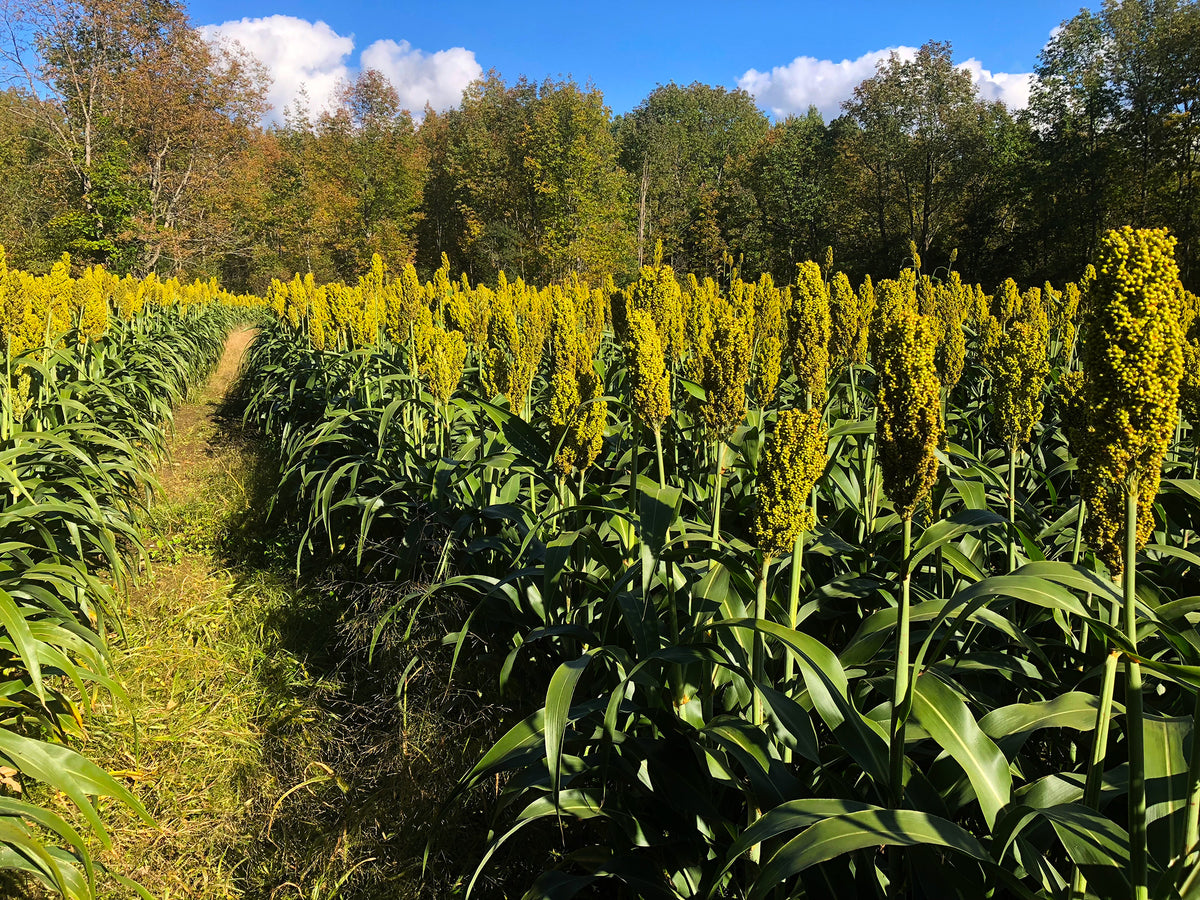
Warm-season grasses are the backbone of many Texas grazing systems because they thrive during periods of high temperatures and actively grow throughout the summer months. Popular warm-season forage options include Bermuda grass, Bahia grass, and annual species such as Teff grass and Sorghum.
When selecting forage pasture seeds for Texas, producers should consider factors such as rainfall, soil type, intended use, and fertilization practices. Different forages perform best under specific growing conditions, meaning whether the seed is suited for that area one of the most important considerations when choosing a seed mix.
For example, Bermuda grass is widely adapted throughout Texas and is commonly used for both hay production and grazing. While Bermuda grass is a go-to choice for many Texas producers, Bahia grass is a solid fit for east Texas regions and lower-input pasture systems where persistence and ease of management are priorities.
Benefits of Using a Pasture and Forage Seed Mix for Warm Seasons
Using a pasture and forage seed mix can help producers create a more flexible and productive grazing system. Combining multiple forage species allows producers to take advantage of the strengths of each plant while reducing the limitations associated with relying on a single species.
Some benefits of a diversified forage system include:
· Extended forage availability throughout the year
· Improved pasture resilience during weather fluctuations
· Better adaptation to varying soil types and growing conditions
· Increased forage quality when legumes are included
· More consistent grazing opportunities year-round
Many producers incorporate both warm-season and cool-season species into their forage programs to maintain a more consistent forage supply throughout the year.
Top-Rated Texas Forage and Pasture Seed Mixes
Bermuda Grass: The Standard for Hay and Grazing
Bermuda grass remains one of the most widely planted warm-season forage grasses in Texas and throughout the South. It adapts well to a variety of soil types and responds favorably to proper fertilization and management.
Bermuda grass varieties have been trusted and used successfully in livestock operations for decades. Bermuda grass is valued for its high yield potential, excellent grazing characteristics, and ability to support consistent hay production throughout the growing season. Because of its productivity, persistence, high nutritional quality, and adaptability, Bermuda grass often serves as the foundation of many forage systems across Texas. It is often the first choice for producers looking for dependable hay production and strong grazing performance under proper management.
High-Crude-Protein Clover Pasture Mix
Legumes play an important role in improving forage quality while naturally adding nitrogen to the soil. Many producers overseed clovers into existing grass pastures to boost livestock nutrition and improve pasture productivity, with clovers typically providing higher crude protein levels than most grasses, while also reducing nitrogen fertilizer requirements.
The best clover variety depends on growing conditions. White Dutch Clover performs best in moist soils or irrigated pastures where adequate moisture is available throughout the season. In drier environments, Red Clover, Arrowleaf Clover and Crimson Clover are often better choices because they establish quickly and offer greater drought tolerance while still producing high-quality forage.
When properly managed, clovers provide highly nutritious, high-crude-protein cool-season grazing while improving soil fertility and overall pasture performance.
Using Annual Ryegrasses
Annual ryegrass is one of the most popular cool-season forages used in Texas because of its rapid establishment and ability to produce abundant, high-quality forage during late winter and spring. Many producers overseed annual ryegrass into Bermuda grass or Bahia grass pastures to extend the grazing season and reduce reliance on supplemental hay and feed. Since ryegrass thrives during the cooler months, it complements warm-season grasses by providing forage when summer grasses are dormant.
For producers looking for a dependable ryegrass variety, Hancock's Pasture Ryegrass offers rapid establishment, balanced seasonal production, and strong performance throughout the southern United States, making it an excellent choice for extending winter and spring grazing.
Choosing a High-Quality Pasture Forage Seed Mix for Texas
The best pasture forage seed mix depends on the goals of the operation and the specific growing conditions of the pasture. Soil type, rainfall patterns, grazing pressure, fertilization practices, and intended use all influence forage performance.
Before purchasing seed, producers should evaluate which forage species are best adapted to their region; this is a key to success. A forage that performs exceptionally well in East Texas may not be the best choice for South Texas, Central Texas, or the High Plains.
Choosing high-quality seed and the right forage species for your area is essential to establish a healthy, productive pasture.
Selecting the Right Mix for Hay Production versus Grazing
The ideal forage mix depends on whether the primary goal is hay production or grazing.
For hay production, improved bermudagrass varieties remain the industry standard because of their high yield potential, rapid regrowth after cutting, and consistent forage quality. Hancock’s High Rancher, Hay Maker, and Highlander Bermuda grass are widely used across Texas for dependable hay production throughout the growing season.
For grazing systems, many Texas producers pair warm-season grasses with cool-season annuals to maintain forage availability throughout the year. Bermuda grass or Bahia grass can be overseeded with annual ryegrass to provide grazing during late fall, winter, and early spring when warm-season grasses are dormant. Hancock’s Pasture Ryegrass is a dependable option due to its fast establishment and consistent cool-season forage production.
Comparing Seed Mixes for Livestock, Hay, or Local Wildlife
Different forage species serve different purposes depending on the goals of the operation. Whether you're managing cattle, producing hay, or establishing food plots for wildlife, selecting the right seed mix begins with understanding how the forage will be used.
Livestock producers typically prioritize forage yield, nutritional value, persistence, and grazing performance. For dependable, low-maintenance grazing, Pensacola Bahia, Argentine Bahia, Tifton 9 Bahia, and TifQuik Bahia are all excellent options. Producers seeking maximum forage production often prefer improved Bermuda grass varieties such as High Rancher, Hay Maker, and Highlander, which offer exceptional productivity under proper fertility and grazing management.
Hay producers generally focus on varieties that deliver high yields, rapid regrowth, and multiple harvests throughout the growing season. Improved Bermuda grass varieties such as Hancock’s High Rancher, Hay Maker, and Giant Bermuda grass are popular choices because of their excellent productivity and forage quality. Teff Grass is another warm-season annual option that can be harvested for dry hay, haylage, or silage and may also be grazed by cattle and horses.
Wildlife managers and food plot enthusiasts often select seed mixes that provide both nutrition and attraction. Cowpeas, lablab, clovers, and other legumes produce highly palatable forage for deer, turkey, and other wildlife while also improving soil health through nitrogen fixation. Blending annual and perennial species helps provide forage across multiple seasons and creates a more dependable food source.
No single forage species is ideal for every property. Soil type, rainfall, management practices, and regional growing conditions all influence which species will perform best. Matching forage varieties to your operation's goals and local conditions is the key to establishing productive pastures that deliver long-term success.
Benefits of Buying Bulk Forage Texas Seed for Large Acreage
For producers managing large acreages, buying forage seed in bulk can improve efficiency and help control overall planting costs. It lowers cost per acre, keeps seed consistent across all fields, and helps avoid delays during critical planting windows by ensuring the right amount of seed is on hand. It also simplifies planning and reduces handling time, making large-scale pasture renovations and new seedings smoother from start to finish.
For producers purchasing larger quantities of seed, Hancock Seed Co.'s quote program makes the process simple. It's an easy way to request customized bulk pricing, helping you secure the right seed at competitive rates while keeping your planting plans moving forward.
Final Thoughts on Selecting the Best Forage and Pasture Seed Mixes
Selecting the best forage and pasture seed mix for Texas begins with understanding local growing conditions and matching forage species to the needs of the operation. Because environmental conditions vary widely across the state, selecting adapted forage species is one of the most important decisions producers can make.
Warm-season grasses such as Bermuda grass provide dependable forage production throughout much of the year, while cool-season species like annual ryegrass and clovers can help extend grazing opportunities and improve overall pasture quality. By combining adapted forage species with sound pasture management practices, producers can build productive pasture systems that support livestock performance and long-term success.
