



From Food Plots to Fine Art: Customer Spotlight on Jim Turlington of Deep Woods Studio
Share

A good food plot is about more than attracting wildlife; it is about creating habitat, supporting conservation, and providing opportunities to experience the outdoors in a meaningful way.
For many sportsmen, food plots are planted to improve hunting opportunities by providing wildlife with dependable sources of nutrition. However, the value of a well-planned food plot extends far beyond the hunting season. Food plots can help support wildlife populations, improve habitat, and create environments where native species have access to food and cover throughout the year.
For Florida artist, photographer, and wildlife researcher Jim Turlington, food plots are also a way to connect with the wildlife that inspires his work.

Jim, the owner of Deep Woods Studio in Volusia County, Florida, has spent years capturing the beauty of wildlife through photography and artwork. His paintings are influenced by real experiences in the field, hours spent observing animals, studying their behavior, and documenting the natural world around him.
That same passion for wildlife conservation extends into the way Jim manages his property. Over the years, Jim has planted Hancock Seed products to create habitat for the species he cares deeply about, including both northern bobwhite quail and wild turkeys.
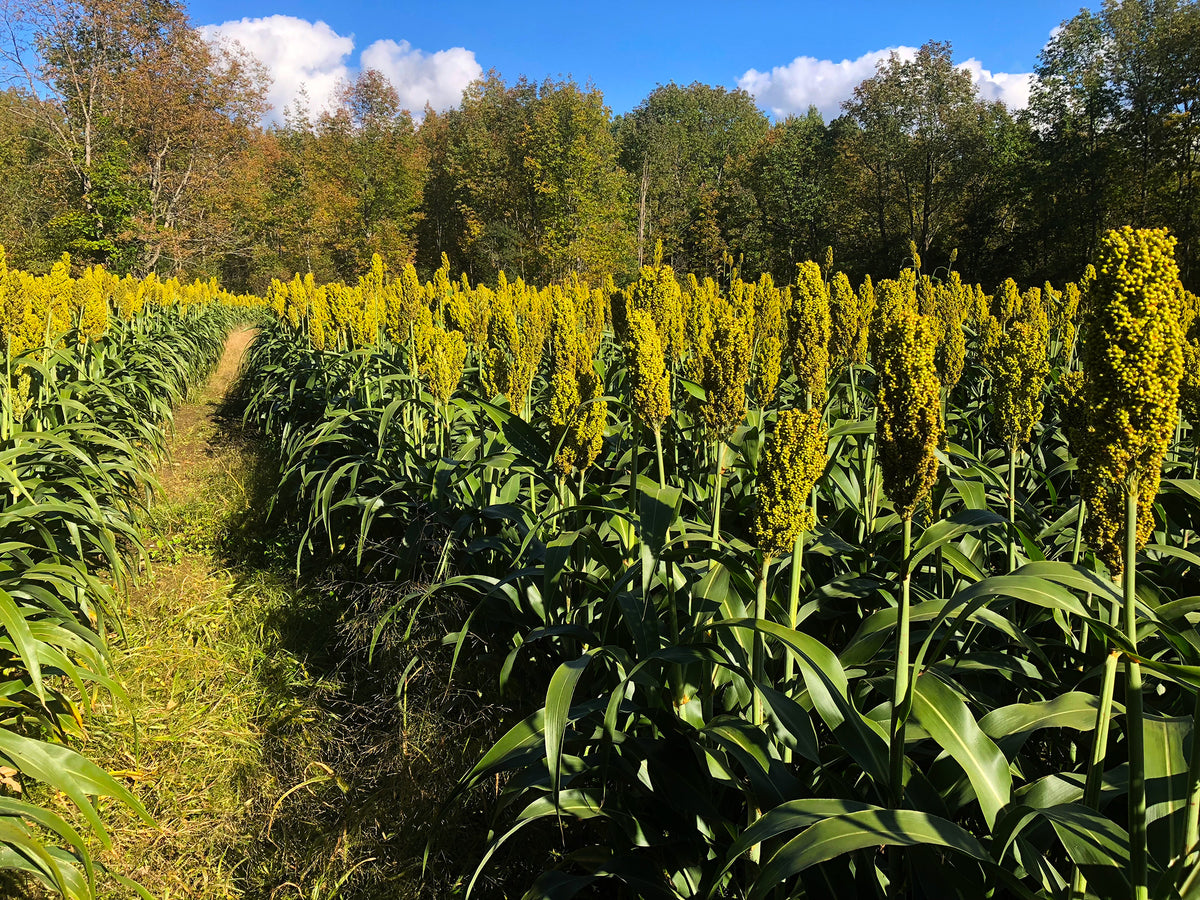
Jim has used Hancock’s dove millet seed along with other native wildlife-friendly plantings to establish food plots designed to benefit bobwhite quail. The results provided him with the opportunity to observe these birds up close, capturing photographs of quail visiting the plots throughout the season. Those photographs later became inspiration for several of his wildlife paintings.
The food plot became more than a source of food for wildlife; it became a canvas for Jim’s creativity. Through his photography and artwork, he was able to share the beauty of these birds while highlighting the importance of creating and maintaining quality habitat.


In addition to his quail-focused plantings, Jim has also purchased Hancock Seed food plot mixes specifically designed for wild turkeys. These habitat improvements have helped provide valuable resources for the very species that have become a major focus of his wildlife photography and artwork.
Jim’s dedication to wildlife conservation has earned him national recognition through his painting Off the Roost, which was selected as the artwork featured on the 2025 Mossy Oak Wild Turkey Conservation Stamp. The painting captures a Florida wild turkey flying down from its roost at first light, which is an exciting moment for any outdoorsman to witness.

The stamp helps raise funds for wild turkey conservation research, making Jim’s artwork part of a larger effort to better understand and protect one of America’s most treasured game birds.
For Jim, wildlife conservation is not just something he paints; it is something he actively participates in. Through habitat management, photography, and art, he tells the story of the wildlife that surrounds us and reminds others of the importance of protecting these natural spaces.
At Hancock Seed Company, we are proud to work with customers like Jim who share our passion for wildlife, conservation, and responsible land management. Seeing our seed help create habitat that inspires photography, artwork, and a deeper appreciation for the outdoors is one of the most rewarding parts of what we do.
From food plots to fine art, Jim Turlington’s work is a reminder that when we invest in habitat, we create opportunities for wildlife and the people who appreciate it.
