


Shop by Region

Pasture seed mixes

Request a custom seed mix

Contact us

Beautiful Blooms with Hancock Seed





-
Planting SeasonCool Season , Transition Zone & Warm Season
-
Best ForSpring , Fall & Winter
-
LifecycleReseeding Annual
- When to plant:
- Spring, Fall, Winter
- Fertilizer:
- Varies
- Seeding rate:
- 20 - 30 lbs. per acre
- Overseeding rate:
- 10 - 15 lbs. per acre
- Seeding depth:
- 1/4 - 3/8 inch
- Ideal ph:
- 6.0 - 7.0
- Gmo:
- No
- Inoculant needed:
- No
- Coated or raw:
- Coated
- Lifecycle:
- Reseeding Annual
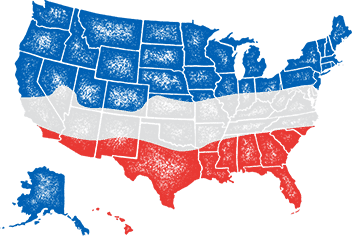
- Climate zones:
- Cool Season, Transition Zone, Warm Season
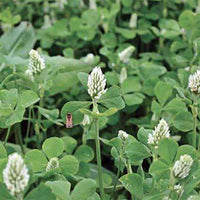
White Cloud Crimson Clover is the only white-flowered Trifolium incarnatum cultivar in the U.S., if not the world. Found in a Crimson Clover production field and subjected to six cycles of intense recurrent phenotypic selection, White Cloud is truly white with white seeds.
Product Information
- Application or Use: Cattle Forage, Livestock Grazing, Food Plot, Cover Crop, Erosion Control
- Germination Time: 5 - 7 days, under optimal conditions
- Growing Locations: Warm Season, Transition Zone, Cool Season
- Height: 1- 1.5 feet
- Sunlight Requirements: 4+ hours
- Advantages: Provides faster forage, higher protein and increased nitrogen production compared to Dixie Crimson.
- When to Plant: Recommended planting time is fall and spring when night time temperatures are consistently below 65 degrees.
Product Detail
- Pre-inoculated (coated)
- High protein and increased nitrogen
- Sweeter than other varieties
- Reseeding annual
- Plant fall & spring
Product Information
When compared to Dixie Crimson Clover, White Cloud Crimson Clover provides faster forage, higher protein and increased nitrogen production. The maturity is similar to the Dixie Crimson Clover.
White Cloud Crimson Clover is much sweeter than other Crimson Clovers, thus will attract deer and wildlife best above all other Crimson Clovers. This is due to the lack of red coloration. There are lower levels of bitter anthocyanins, so palatability, and thus, intake, will be higher. Though not statistically quantified, anecdotal evidence has shown that White Cloud is preferred by hunters and grazers over other palatable forage clovers.
*Product packaging may appear different than what is pictured.
Planting of Crimson Clover can occur throughout much of the year depending on the farmer’s goal. A successful broadcast seeding is directly correlated to the amount of soil moisture or rainfall that is present after the application. A fall planting should occur 6 to 8 weeks before the first killing frost date if winterkill is a concern for your area. Emergence will occur within 7 - 10 days.
When choosing to start a new lawn, remove old vegetation by using a de-thatcher, power rake or tiller to kill the existing vegetation. Rake or drag the area to remove debris and dead grass for a clean area. Ensure the soil is leveled and loosened to allow the seed to have good soil contact once spread on a clean seed bed.
If you have an area with heavy weed coverage, we recommend starting fresh by killing and removing the existing vegetation. If you choose to use chemicals, herbicides or fertilizers, you must check with the product's manufacturer prior to planting new seed to ensure the proper waiting period.
When overseeding an existing area, mow your lawn at the lowest setting and bag the clippingsx. Rake or drag any areas that have dead thatch or debris.

Seed Quality
Hancock Seed is dedicated to delivering the best seeds possible to our customers. Hancock Seed grows and harvests many of our products, and we acquire the majority of the rest from other family farmers.
All these seeds are processed, packaged and shipped from Hancock Farm. This helps us ensure that our high standards are met. Unlike much of the competition, we refuse to sell you a seed that was not gathered during the last harvest. You will always receive fresh product from Hancock.
Every seed we grow comes with 40 years of experience behind it...you can rest assured that all of our products are cultivated in a method that assures its potential for growth.

Your cart ( 0 )
White Cloud Crimson Clover is the only white-flowered Trifolium incarnatum cultivar in the U.S., if not the world. Found in a Crimson Clover production field and subjected to six cycles of intense recurrent phenotypic selection, White Cloud is truly white with white seeds.
Product Information
- Application or Use: Cattle Forage, Livestock Grazing, Food Plot, Cover Crop, Erosion Control
- Germination Time: 5 - 7 days, under optimal conditions
- Growing Locations: Warm Season, Transition Zone, Cool Season
- Height: 1- 1.5 feet
- Sunlight Requirements: 4+ hours
- Advantages: Provides faster forage, higher protein and increased nitrogen production compared to Dixie Crimson.
- When to Plant: Recommended planting time is fall and spring when night time temperatures are consistently below 65 degrees.
Product Detail
- Pre-inoculated (coated)
- High protein and increased nitrogen
- Sweeter than other varieties
- Reseeding annual
- Plant fall & spring
Product Information
When compared to Dixie Crimson Clover, White Cloud Crimson Clover provides faster forage, higher protein and increased nitrogen production. The maturity is similar to the Dixie Crimson Clover.
White Cloud Crimson Clover is much sweeter than other Crimson Clovers, thus will attract deer and wildlife best above all other Crimson Clovers. This is due to the lack of red coloration. There are lower levels of bitter anthocyanins, so palatability, and thus, intake, will be higher. Though not statistically quantified, anecdotal evidence has shown that White Cloud is preferred by hunters and grazers over other palatable forage clovers.
*Product packaging may appear different than what is pictured.
Planting of Crimson Clover can occur throughout much of the year depending on the farmer’s goal. A successful broadcast seeding is directly correlated to the amount of soil moisture or rainfall that is present after the application. A fall planting should occur 6 to 8 weeks before the first killing frost date if winterkill is a concern for your area. Emergence will occur within 7 - 10 days.
Instructions
When choosing to start a new lawn, remove old vegetation by using a de-thatcher, power rake or tiller to kill the existing vegetation. Rake or drag the area to remove debris and dead grass for a clean area. Ensure the soil is leveled and loosened to allow the seed to have good soil contact once spread on a clean seed bed.
If you have an area with heavy weed coverage, we recommend starting fresh by killing and removing the existing vegetation. If you choose to use chemicals, herbicides or fertilizers, you must check with the product's manufacturer prior to planting new seed to ensure the proper waiting period.
When overseeding an existing area, mow your lawn at the lowest setting and bag the clippingsx. Rake or drag any areas that have dead thatch or debris.