


Shop by Region

Pasture seed mixes

Request a custom seed mix

Contact us

Beautiful Blooms with Hancock Seed

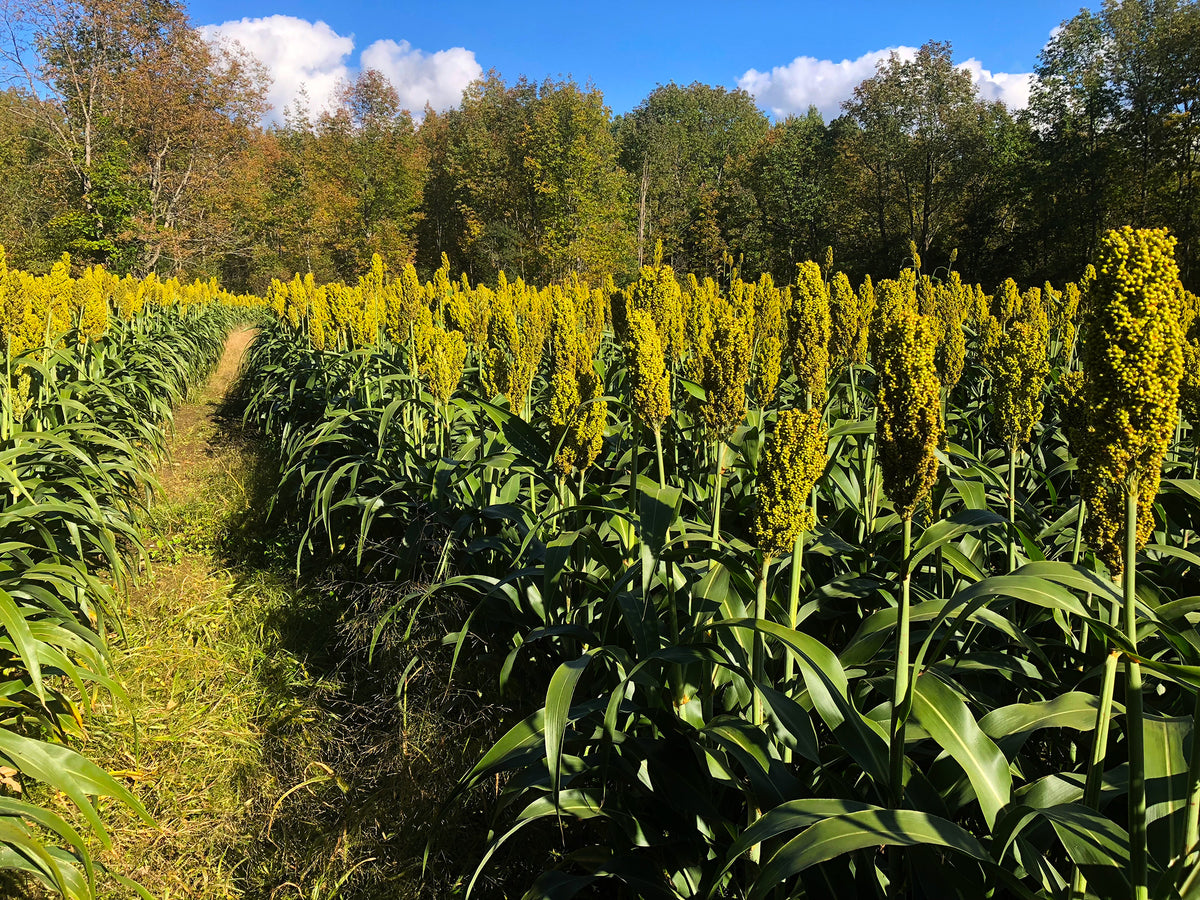



-
Planting SeasonCool Season & Transition Zone
-
Best ForSummer & Fall
-
LifecycleAnnual
For Best Results
- When to plant:
- Summer, Fall
- Fertilizer:
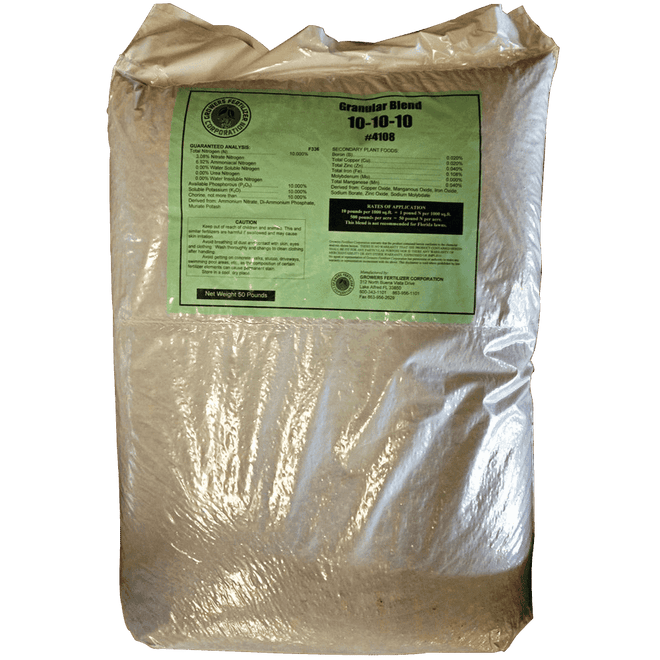
- 10-10-10 All Purpose Fertilizer
- Seeding rate:
- 25 lbs. per acre
- Overseeding rate:
- Not Applicable
- Seeding depth:
- 1/4 - 1 inch
- Ideal ph:
- 5.5 - 8.3
- Gmo:
- No
- Inoculant needed:
- No
- Coated or raw:
- Raw
- Lifecycle:
- Annual
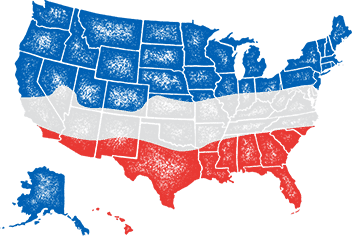
- Climate zones:
- Cool Season, Transition Zone
Developed in collaboration with FowlWeather Podcast, this northern-focused food plot blend is engineered to deliver continuous attraction from late August through spring, while also improving soil health and plot sustainability. Carefully selected for cold tolerance, reliability, and seasonal nutrition, this blend is designed to establish strong, provide consistent forage, and keep deer coming back throughout the season. Backed by Hancock Seed’s proven sourcing and quality standards and guided by FowlWeather’s real-world wildlife expertise, this mix delivers trusted performance from planting to peak season.
Product Information
- Application or Use: Pasture, Food Plot, Cover Crop
- Germination Time: 7 - 14 days, under optimal conditions
- Growing Locations: Transition Zone, Cool Season
- Height: 2 - 4 feet
- Sunlight Requirements: 8+ hours, full sun for best results
- Advantages: Delivers an easy to grow, high protein food plot.
- When to Plant: Recommended planting time is first week of August in Cool Season Zone and second week of August in the Transition Zone.
Broadcast on tilled soil and incorporate this premium mix to feed deer from late-August through Spring. Green soybeans attract deer first when other soybeans in your area are browning down and being harvested, fresh green soybeans are highly attractive to deer in late-Summer and early-Fall until frost, the buckwheat and sunflowers are eaten down to the stem right through the first few frosts, then the winter peas, dwarf essex and kale become attractive and increase in size. At peak rut and into early winter the greens are highly attractive to does and fawns, keeping roaming bucks thinking about your property. After season, deer dig in the snow for these greens right through until Spring thaw. In Spring, the brassicas continue and will flower into summer. The winter peas very often overwinter and provide summer forage and infuse nitrogen back into the soil as they flower and produce edible pea pods for deer. Adding a couple pounds per acre of winter triticale into the mix can also provide additional deer and turkey forage into the mid-summer months. Terminate the plot in late-July by tilling, in August broadcast the mix again on fresh soil and incorporate to start the cycle all over again.
When to plant – first week of August in the north and a week later in the transition zone; rainfall effects performance, but the mix of seed types nearly always provides performance.
Mixture:
Hancock Seed x FowlWeather - Northern Deer Food Plot Seed Mix is formulated to provide a quality blend for its intended purpose and may include, but is not limited to, Soybean, Winter Pea, Rape, Peredovik Sunflower, Buckwheat, Kale, and other carefully selected seed varieties.
Because seed availability changes throughout the year, the specific varieties included in each lot may vary while maintaining the intended performance and quality of the mix. If you are looking for a particular variety or would like to review the current lot's seed label before placing your order, please contact our Customer Service team. We are happy to provide the current seed label and answer any questions you may have.
Product packaging and labels may vary from those shown.
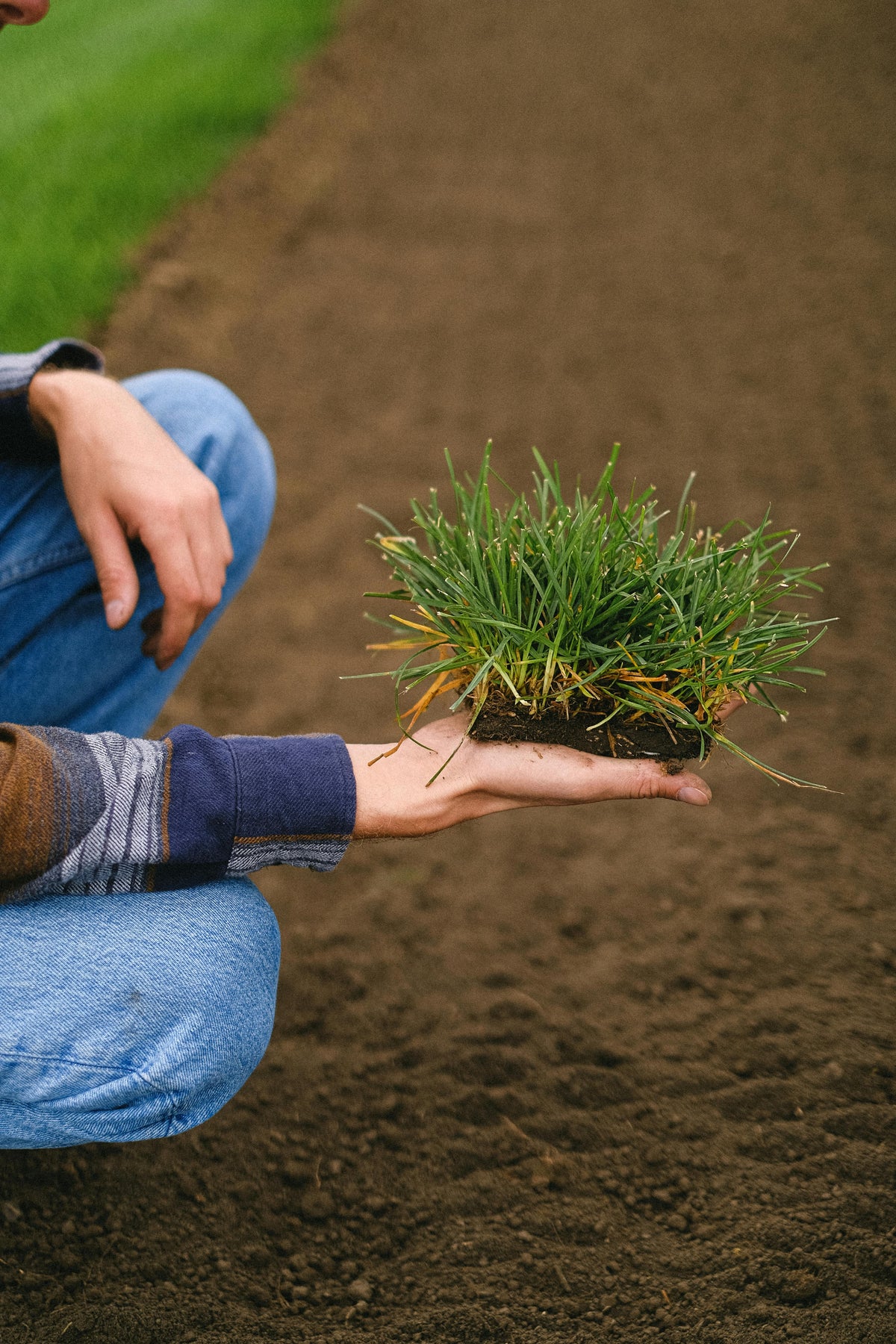
When choosing to start a new lawn, remove old vegetation by using a de-thatcher, power rake or tiller to kill the existing vegetation. Rake or drag the area to remove debris and dead grass for a clean area. Ensure the soil is leveled and loosened to allow the seed to have good soil contact once spread on a clean seed bed.
If you have an area with heavy weed coverage, we recommend starting fresh by killing and removing the existing vegetation. If you choose to use chemicals, herbicides or fertilizers, you must check with the product's manufacturer prior to planting new seed to ensure the proper waiting period.
When overseeding an existing area, mow your lawn at the lowest setting and bag the clippingsx. Rake or drag any areas that have dead thatch or debris.

Seed Quality
Hancock Seed is dedicated to delivering the best seeds possible to our customers. Hancock Seed grows and harvests many of our products, and we acquire the majority of the rest from other family farmers.
All these seeds are processed, packaged and shipped from Hancock Farm. This helps us ensure that our high standards are met. Unlike much of the competition, we refuse to sell you a seed that was not gathered during the last harvest. You will always receive fresh product from Hancock.
Every seed we grow comes with 40 years of experience behind it...you can rest assured that all of our products are cultivated in a method that assures its potential for growth.
Your cart ( 0 )
Developed in collaboration with FowlWeather Podcast, this northern-focused food plot blend is engineered to deliver continuous attraction from late August through spring, while also improving soil health and plot sustainability. Carefully selected for cold tolerance, reliability, and seasonal nutrition, this blend is designed to establish strong, provide consistent forage, and keep deer coming back throughout the season. Backed by Hancock Seed’s proven sourcing and quality standards and guided by FowlWeather’s real-world wildlife expertise, this mix delivers trusted performance from planting to peak season.
Product Information
- Application or Use: Pasture, Food Plot, Cover Crop
- Germination Time: 7 - 14 days, under optimal conditions
- Growing Locations: Transition Zone, Cool Season
- Height: 2 - 4 feet
- Sunlight Requirements: 8+ hours, full sun for best results
- Advantages: Delivers an easy to grow, high protein food plot.
- When to Plant: Recommended planting time is first week of August in Cool Season Zone and second week of August in the Transition Zone.
Broadcast on tilled soil and incorporate this premium mix to feed deer from late-August through Spring. Green soybeans attract deer first when other soybeans in your area are browning down and being harvested, fresh green soybeans are highly attractive to deer in late-Summer and early-Fall until frost, the buckwheat and sunflowers are eaten down to the stem right through the first few frosts, then the winter peas, dwarf essex and kale become attractive and increase in size. At peak rut and into early winter the greens are highly attractive to does and fawns, keeping roaming bucks thinking about your property. After season, deer dig in the snow for these greens right through until Spring thaw. In Spring, the brassicas continue and will flower into summer. The winter peas very often overwinter and provide summer forage and infuse nitrogen back into the soil as they flower and produce edible pea pods for deer. Adding a couple pounds per acre of winter triticale into the mix can also provide additional deer and turkey forage into the mid-summer months. Terminate the plot in late-July by tilling, in August broadcast the mix again on fresh soil and incorporate to start the cycle all over again.
When to plant – first week of August in the north and a week later in the transition zone; rainfall effects performance, but the mix of seed types nearly always provides performance.
Mixture:
Hancock Seed x FowlWeather - Northern Deer Food Plot Seed Mix is formulated to provide a quality blend for its intended purpose and may include, but is not limited to, Soybean, Winter Pea, Rape, Peredovik Sunflower, Buckwheat, Kale, and other carefully selected seed varieties.
Because seed availability changes throughout the year, the specific varieties included in each lot may vary while maintaining the intended performance and quality of the mix. If you are looking for a particular variety or would like to review the current lot's seed label before placing your order, please contact our Customer Service team. We are happy to provide the current seed label and answer any questions you may have.
Product packaging and labels may vary from those shown.
Instructions
When choosing to start a new lawn, remove old vegetation by using a de-thatcher, power rake or tiller to kill the existing vegetation. Rake or drag the area to remove debris and dead grass for a clean area. Ensure the soil is leveled and loosened to allow the seed to have good soil contact once spread on a clean seed bed.
If you have an area with heavy weed coverage, we recommend starting fresh by killing and removing the existing vegetation. If you choose to use chemicals, herbicides or fertilizers, you must check with the product's manufacturer prior to planting new seed to ensure the proper waiting period.
When overseeding an existing area, mow your lawn at the lowest setting and bag the clippingsx. Rake or drag any areas that have dead thatch or debris.