


Shop by Region

Pasture seed mixes

Request a custom seed mix

Contact us

Beautiful Blooms with Hancock Seed




-
Planting SeasonCool Season , Transition Zone & Warm Season
-
Best ForSpring & Summer
-
LifecycleAnnual
- When to plant:
- Spring, Summer
- Fertilizer:
- 10-10-10 All Purpose Fertilizer
- Seeding rate:
- 1 lb. per 1,000 sq. ft. or 40 lbs. per acre
- Overseeding rate:
- 20 lbs. per acre
- Seeding depth:
- 1/4 inch
- Ideal ph:
- 5.5 - 6.5
- Gmo:
- No
- Inoculant needed:
- No
- Coated or raw:
- Raw
- Lifecycle:
- Annual
- Climate zones:
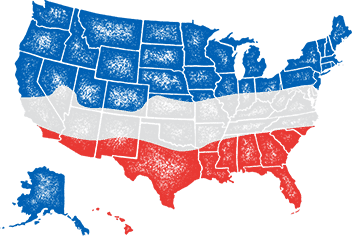
- Cool Season, Transition Zone, Warm Season
Hancock's Duck Food Plot Mix is specifically designed to feed waterfowl such as ducks and geese. Planting food plots or feed sources for ducks and other waterfowl will improve habitat and duck populations in your area.
Product Information
- Application or Use: Pasture, Food Plot, Cover Crop
- Germination Time: 5 - 7 days, under optimal conditions
- Growing Locations: Warm Season, Transition Zone, Cool Season
- Height: 2 - 4 feet
- Sunlight Requirements: 8+ hours, full sun for best results
- Advantages: Specifically designed to feed waterfowl such as duck and geese.
- When to Plant: Recommended Planting Time is Spring and Summer when nighttime temperatures are consistently 65+ degrees.
Most Duck and Geese species are considered migratory birds. Migratory birds tend to follow similar patterns each year. Developing habitat, food plots or feeding programs for these birds will increase the odds of them stopping through your location year-after-year.
Mixture:
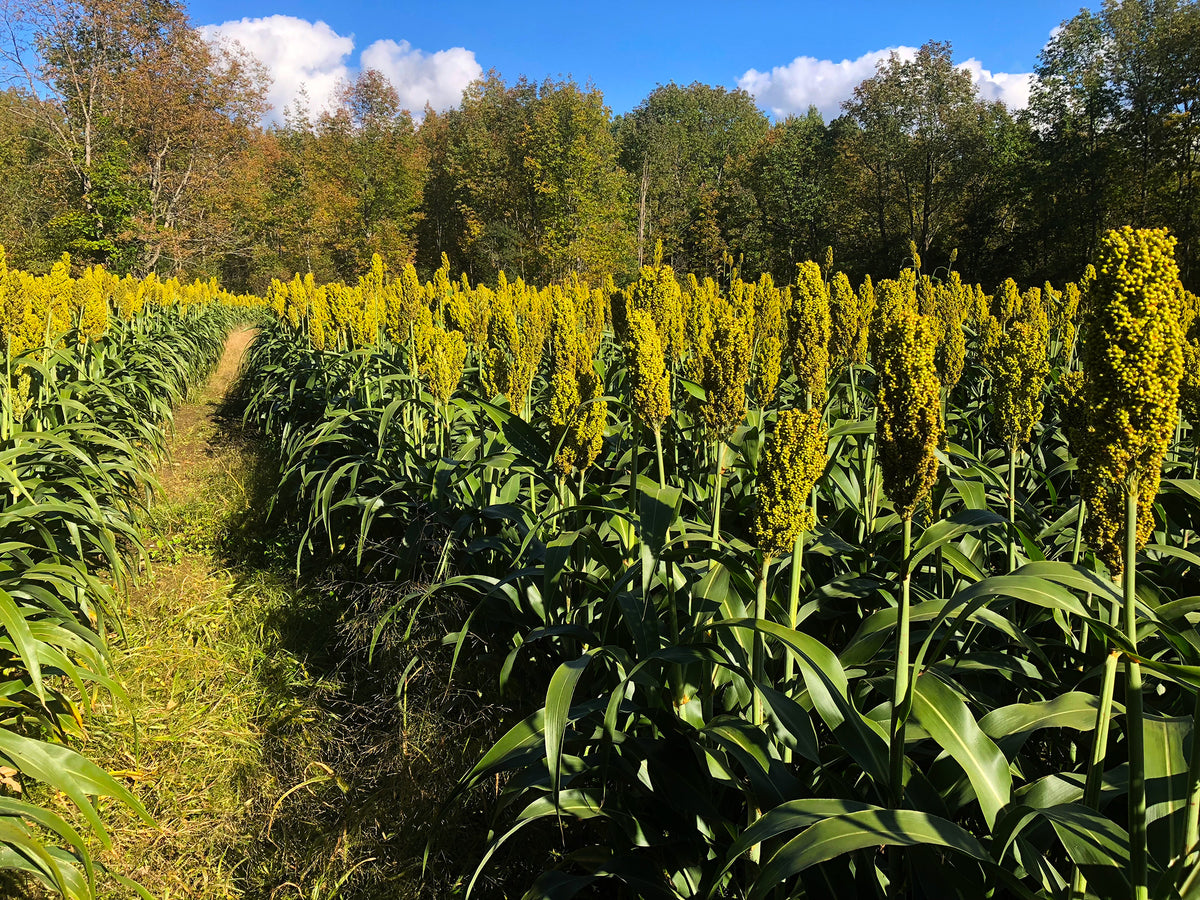
Hancock's Duck Food Plot Seed Mix is formulated to provide a quality blend for its intended purpose and may include, but is not limited to, Japanese Millet, Rice, WGF Sorghum, White Proso Millet, Buckwheat, Corn, and other carefully selected seed varieties.
Because seed availability changes throughout the year, the specific varieties included in each lot may vary while maintaining the intended performance and quality of the mix. If you are looking for a particular variety or would like to review the current lot's seed label before placing your order, please contact our Customer Service team. We are happy to provide the current seed label and answer any questions you may have.
Product packaging and labels may vary from those shown.
Duck Plot Site Selection:
Site selection in critical for success when planting for ducks and other waterfowl. Ducks and geese are naturally attracted to water, and use these water sources to locate food. Ducks are mostly herbivores, and normally consume grasses, seeds, fruits, acorns and aquatic plants. Be sure to find a location near a good water source, where they are naturally feeding, if possible.
Try to plant the food plot close to the water's edge and uphill from the water source. If you're able to control the water level, or know of areas that typically flood...these areas will work best. Most ducks prefer shallow-water feeding (6 to 18 in.) areas, so keep this in mind when selecting a site for your duck plot.
Be sure to prepare the soil as well as possible when you're planting a duck food plot. If the area is covered in debris, grasses, or weeds, the seed will have a tough time getting established and producing seed or feed. These plots should be planted along water edges, low areas, or flooding areas for best results. Plant in areas that will not flood along your water source or duck pond for best results. Till the soil, if possible, apply the seed, and drag or roll to cover. The seed species included in this mixture will survive flooding after they are established (16-24 in. in height). Flooding of these species in the early stages of growth will suffocate the plants. Hold the water off until the plants have reached full maturity (75-90 days), if possible, and then allow the water back in.
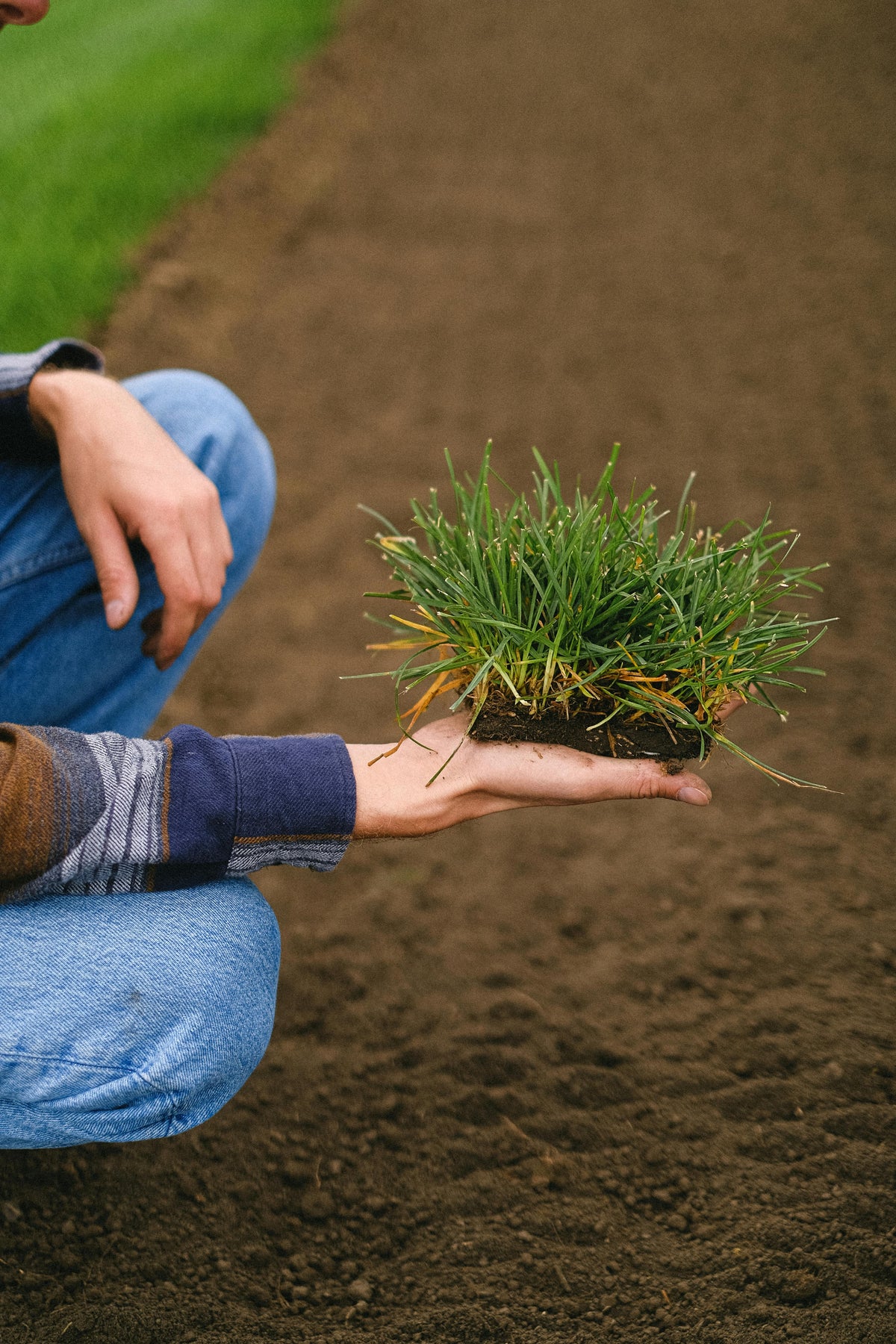
When choosing to start a new lawn, remove old vegetation by using a de-thatcher, power rake or tiller to kill the existing vegetation. Rake or drag the area to remove debris and dead grass for a clean area. Ensure the soil is leveled and loosened to allow the seed to have good soil contact once spread on a clean seed bed.
If you have an area with heavy weed coverage, we recommend starting fresh by killing and removing the existing vegetation. If you choose to use chemicals, herbicides or fertilizers, you must check with the product's manufacturer prior to planting new seed to ensure the proper waiting period.
When overseeding an existing area, mow your lawn at the lowest setting and bag the clippingsx. Rake or drag any areas that have dead thatch or debris.

Seed Quality
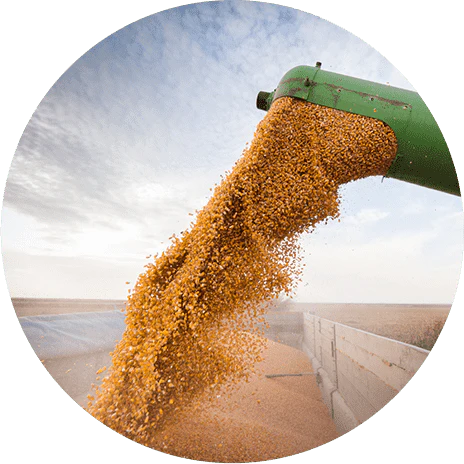
Hancock Seed is dedicated to delivering the best seeds possible to our customers. Hancock Seed grows and harvests many of our products, and we acquire the majority of the rest from other family farmers.
All these seeds are processed, packaged and shipped from Hancock Farm. This helps us ensure that our high standards are met. Unlike much of the competition, we refuse to sell you a seed that was not gathered during the last harvest. You will always receive fresh product from Hancock.
Every seed we grow comes with 40 years of experience behind it...you can rest assured that all of our products are cultivated in a method that assures its potential for growth.
Your cart ( 0 )
Hancock's Duck Food Plot Mix is specifically designed to feed waterfowl such as ducks and geese. Planting food plots or feed sources for ducks and other waterfowl will improve habitat and duck populations in your area.
Product Information
- Application or Use: Pasture, Food Plot, Cover Crop
- Germination Time: 5 - 7 days, under optimal conditions
- Growing Locations: Warm Season, Transition Zone, Cool Season
- Height: 2 - 4 feet
- Sunlight Requirements: 8+ hours, full sun for best results
- Advantages: Specifically designed to feed waterfowl such as duck and geese.
- When to Plant: Recommended Planting Time is Spring and Summer when nighttime temperatures are consistently 65+ degrees.
Most Duck and Geese species are considered migratory birds. Migratory birds tend to follow similar patterns each year. Developing habitat, food plots or feeding programs for these birds will increase the odds of them stopping through your location year-after-year.
Mixture:
Hancock's Duck Food Plot Seed Mix is formulated to provide a quality blend for its intended purpose and may include, but is not limited to, Japanese Millet, Rice, WGF Sorghum, White Proso Millet, Buckwheat, Corn, and other carefully selected seed varieties.
Because seed availability changes throughout the year, the specific varieties included in each lot may vary while maintaining the intended performance and quality of the mix. If you are looking for a particular variety or would like to review the current lot's seed label before placing your order, please contact our Customer Service team. We are happy to provide the current seed label and answer any questions you may have.
Product packaging and labels may vary from those shown.
Duck Plot Site Selection:
Site selection in critical for success when planting for ducks and other waterfowl. Ducks and geese are naturally attracted to water, and use these water sources to locate food. Ducks are mostly herbivores, and normally consume grasses, seeds, fruits, acorns and aquatic plants. Be sure to find a location near a good water source, where they are naturally feeding, if possible.
Try to plant the food plot close to the water's edge and uphill from the water source. If you're able to control the water level, or know of areas that typically flood...these areas will work best. Most ducks prefer shallow-water feeding (6 to 18 in.) areas, so keep this in mind when selecting a site for your duck plot.
Be sure to prepare the soil as well as possible when you're planting a duck food plot. If the area is covered in debris, grasses, or weeds, the seed will have a tough time getting established and producing seed or feed. These plots should be planted along water edges, low areas, or flooding areas for best results. Plant in areas that will not flood along your water source or duck pond for best results. Till the soil, if possible, apply the seed, and drag or roll to cover. The seed species included in this mixture will survive flooding after they are established (16-24 in. in height). Flooding of these species in the early stages of growth will suffocate the plants. Hold the water off until the plants have reached full maturity (75-90 days), if possible, and then allow the water back in.
Instructions
When choosing to start a new lawn, remove old vegetation by using a de-thatcher, power rake or tiller to kill the existing vegetation. Rake or drag the area to remove debris and dead grass for a clean area. Ensure the soil is leveled and loosened to allow the seed to have good soil contact once spread on a clean seed bed.
If you have an area with heavy weed coverage, we recommend starting fresh by killing and removing the existing vegetation. If you choose to use chemicals, herbicides or fertilizers, you must check with the product's manufacturer prior to planting new seed to ensure the proper waiting period.
When overseeding an existing area, mow your lawn at the lowest setting and bag the clippingsx. Rake or drag any areas that have dead thatch or debris.