


Shop by Region

Pasture seed mixes

Request a custom seed mix

Contact us

Beautiful Blooms with Hancock Seed




- When to plant:
- Spring, Fall, Winter
- Fertilizer:
- Varies
- Seeding rate:
- 20 - 25 lbs. per acre
- Overseeding rate:
- 15 lbs per acre
- Seeding depth:
- 1/4 - 3/8 inch
- Ideal ph:
- 6.5 - 8.0
- Gmo:
- No
- Inoculant needed:
- No
- Coated or raw:
- Coated
- Lifecycle:
- Annual
- Climate zones:
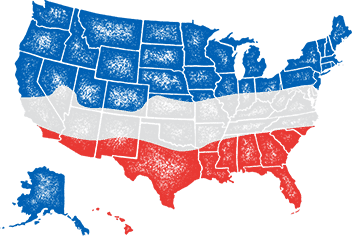
- Cool Season, Transition Zone, Warm Season
Crimson Clover is commonly used for wildlife food plots, cattle forage and decorative ground cover planting.
Product Information
- Application or Use: Cattle Forage, Livestock Grazing, Food Plot, Cover Crop, Erosion Control
- Germination Time: 7 - 14 days, under optimal conditions
- Growing Locations: Warm Season, Transition Zone, Cool Season
- Height: 1 - 3 feet
- Sunlight Requirements: 4 - 6 hours
- Advantages: Produces more forage and ground cover, adapts to heavier, well drained soil.
- When to Plant: Recommended planting time is spring and fall when night time temperatures are consistently below 65 degrees.
Product Details
- Reseeding winter annual
- Best adapted to the heavier, well-drained soils
- Great for food plots, forage, and ground cover
- One of the most colorful forage plants
- Produces more forage at low temperatures than other clovers
Product Information
Crimson Clover is commonly used for wildlife food plots, cattle forage and decorative ground cover planting. Crimson clover (Trifolium incarnatum) is one of the most colorful forage plants and is frequently seen along roadsides, where it is planted for highway beautification. It is a reseeding winter annual with an erect growth habit and a shallow taproot system. The flowers are a brilliant red color, elongated in shape, and often more than two inches long. The leaves are dark green and covered with dense hairs.
Crimson clover is best adapted to the heavier, well-drained soils, performing poorly on dry, sandy, and poorly drained sites. Crimson clover produces more forage at low temperatures than other clovers. It is fairly tolerant of soil acidity and is often seeded in mixture with small grains and ryegrass. Crimson clover is also often seeded into warm-season perennial grass pastures (bermudagrass and bahiagrass) and may reseed under some management conditions.
*Product packaging may appear different than what is pictured.
Crimson clover seed should be planted at 20 to 26 pounds of seed per acre. Most improved crimson clover varieties are adapted to Florida conditions, but they vary in spring maturity. Seeds germinate in the fall, and plants produce very little top growth while developing a strong root system, so very little forage is available for grazing before February. Grazing should be delayed until 6-8 inches of growth accumulate. Terminate grazing when plants are 3-5 inches in height. Crimson then grows rapidly until flowering begins about mid-April. Forage is very high quality with both leaves and stems readily consumed. Although it is generally grazed, it may be harvested as high-quality hay or silage. If trying to manage for reseeding, reduce grazing pressure for about three weeks when in full flower.
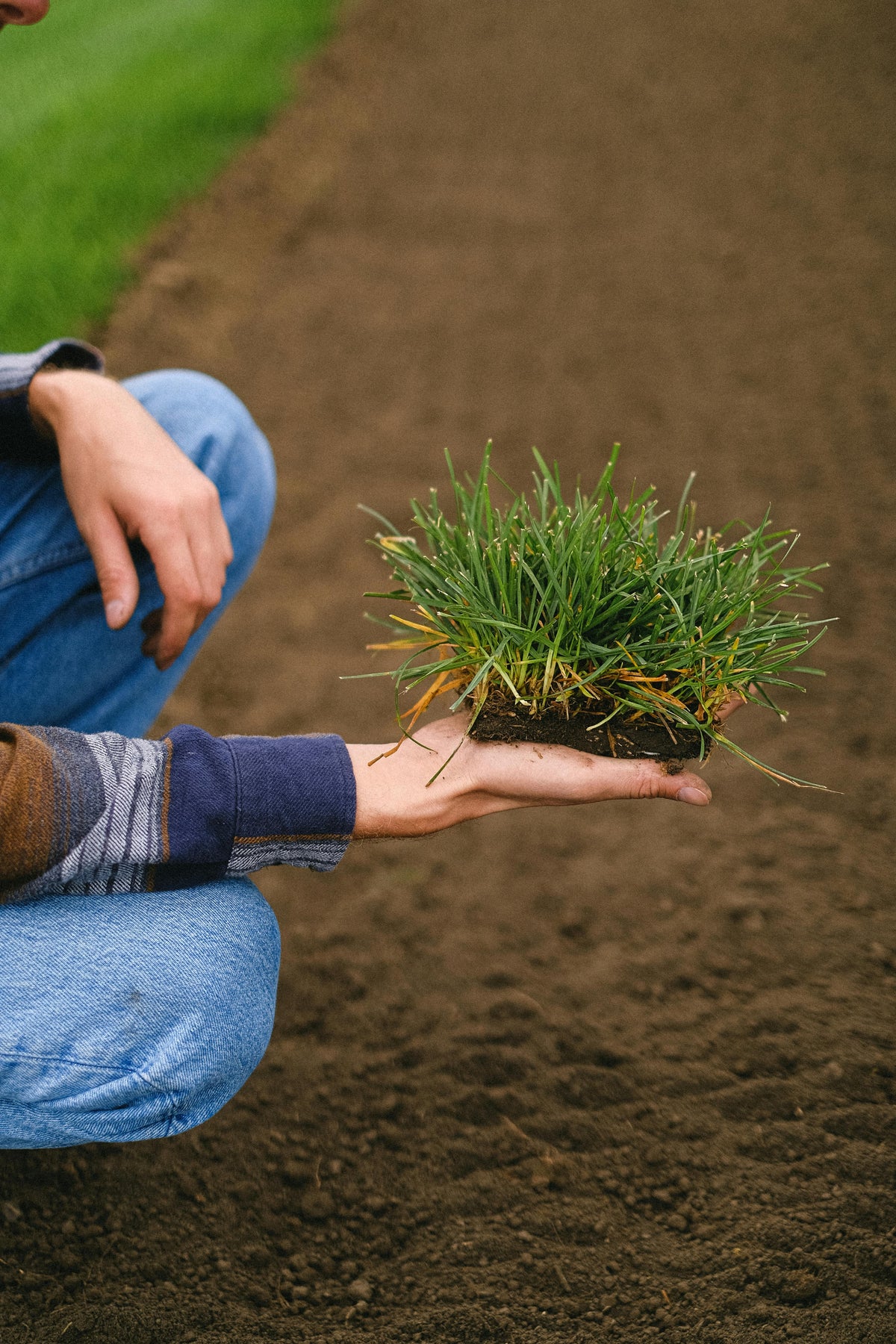
When choosing to start a new lawn, remove old vegetation by using a de-thatcher, power rake or tiller to kill the existing vegetation. Rake or drag the area to remove debris and dead grass for a clean area. Ensure the soil is leveled and loosened to allow the seed to have good soil contact once spread on a clean seed bed.
If you have an area with heavy weed coverage, we recommend starting fresh by killing and removing the existing vegetation. If you choose to use chemicals, herbicides or fertilizers, you must check with the product's manufacturer prior to planting new seed to ensure the proper waiting period.
When overseeding an existing area, mow your lawn at the lowest setting and bag the clippingsx. Rake or drag any areas that have dead thatch or debris.

Seed Quality
Hancock Seed is dedicated to delivering the best seeds possible to our customers. Hancock Seed grows and harvests many of our products, and we acquire the majority of the rest from other family farmers.
All these seeds are processed, packaged and shipped from Hancock Farm. This helps us ensure that our high standards are met. Unlike much of the competition, we refuse to sell you a seed that was not gathered during the last harvest. You will always receive fresh product from Hancock.
Every seed we grow comes with 40 years of experience behind it...you can rest assured that all of our products are cultivated in a method that assures its potential for growth.

Your cart ( 0 )
Crimson Clover is commonly used for wildlife food plots, cattle forage and decorative ground cover planting.
Product Information
- Application or Use: Cattle Forage, Livestock Grazing, Food Plot, Cover Crop, Erosion Control
- Germination Time: 7 - 14 days, under optimal conditions
- Growing Locations: Warm Season, Transition Zone, Cool Season
- Height: 1 - 3 feet
- Sunlight Requirements: 4 - 6 hours
- Advantages: Produces more forage and ground cover, adapts to heavier, well drained soil.
- When to Plant: Recommended planting time is spring and fall when night time temperatures are consistently below 65 degrees.
Product Details
- Reseeding winter annual
- Best adapted to the heavier, well-drained soils
- Great for food plots, forage, and ground cover
- One of the most colorful forage plants
- Produces more forage at low temperatures than other clovers
Product Information
Crimson Clover is commonly used for wildlife food plots, cattle forage and decorative ground cover planting. Crimson clover (Trifolium incarnatum) is one of the most colorful forage plants and is frequently seen along roadsides, where it is planted for highway beautification. It is a reseeding winter annual with an erect growth habit and a shallow taproot system. The flowers are a brilliant red color, elongated in shape, and often more than two inches long. The leaves are dark green and covered with dense hairs.
Crimson clover is best adapted to the heavier, well-drained soils, performing poorly on dry, sandy, and poorly drained sites. Crimson clover produces more forage at low temperatures than other clovers. It is fairly tolerant of soil acidity and is often seeded in mixture with small grains and ryegrass. Crimson clover is also often seeded into warm-season perennial grass pastures (bermudagrass and bahiagrass) and may reseed under some management conditions.
*Product packaging may appear different than what is pictured.
Crimson clover seed should be planted at 20 to 26 pounds of seed per acre. Most improved crimson clover varieties are adapted to Florida conditions, but they vary in spring maturity. Seeds germinate in the fall, and plants produce very little top growth while developing a strong root system, so very little forage is available for grazing before February. Grazing should be delayed until 6-8 inches of growth accumulate. Terminate grazing when plants are 3-5 inches in height. Crimson then grows rapidly until flowering begins about mid-April. Forage is very high quality with both leaves and stems readily consumed. Although it is generally grazed, it may be harvested as high-quality hay or silage. If trying to manage for reseeding, reduce grazing pressure for about three weeks when in full flower.
Instructions
When choosing to start a new lawn, remove old vegetation by using a de-thatcher, power rake or tiller to kill the existing vegetation. Rake or drag the area to remove debris and dead grass for a clean area. Ensure the soil is leveled and loosened to allow the seed to have good soil contact once spread on a clean seed bed.
If you have an area with heavy weed coverage, we recommend starting fresh by killing and removing the existing vegetation. If you choose to use chemicals, herbicides or fertilizers, you must check with the product's manufacturer prior to planting new seed to ensure the proper waiting period.
When overseeding an existing area, mow your lawn at the lowest setting and bag the clippingsx. Rake or drag any areas that have dead thatch or debris.