


Shop by Region

Pasture seed mixes

Request a custom seed mix

Contact us

Beautiful Blooms with Hancock Seed




- When to plant:
- Spring, Summer
- Fertilizer:
- Varies
- Seeding rate:
- 10 lbs. per acre
- Overseeding rate:
- 4 lbs. per acre
- Seeding depth:
- 1/4 - 1/2 inch
- Ideal ph:
- 5.5 - 7.5
- Gmo:
- No
- Inoculant needed:
- No
- Coated or raw:
- Raw
- Lifecycle:
- Annual
- Climate zones:
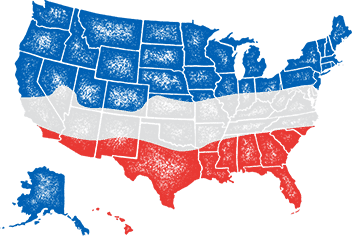
- Cool Season, Transition Zone, Warm Season
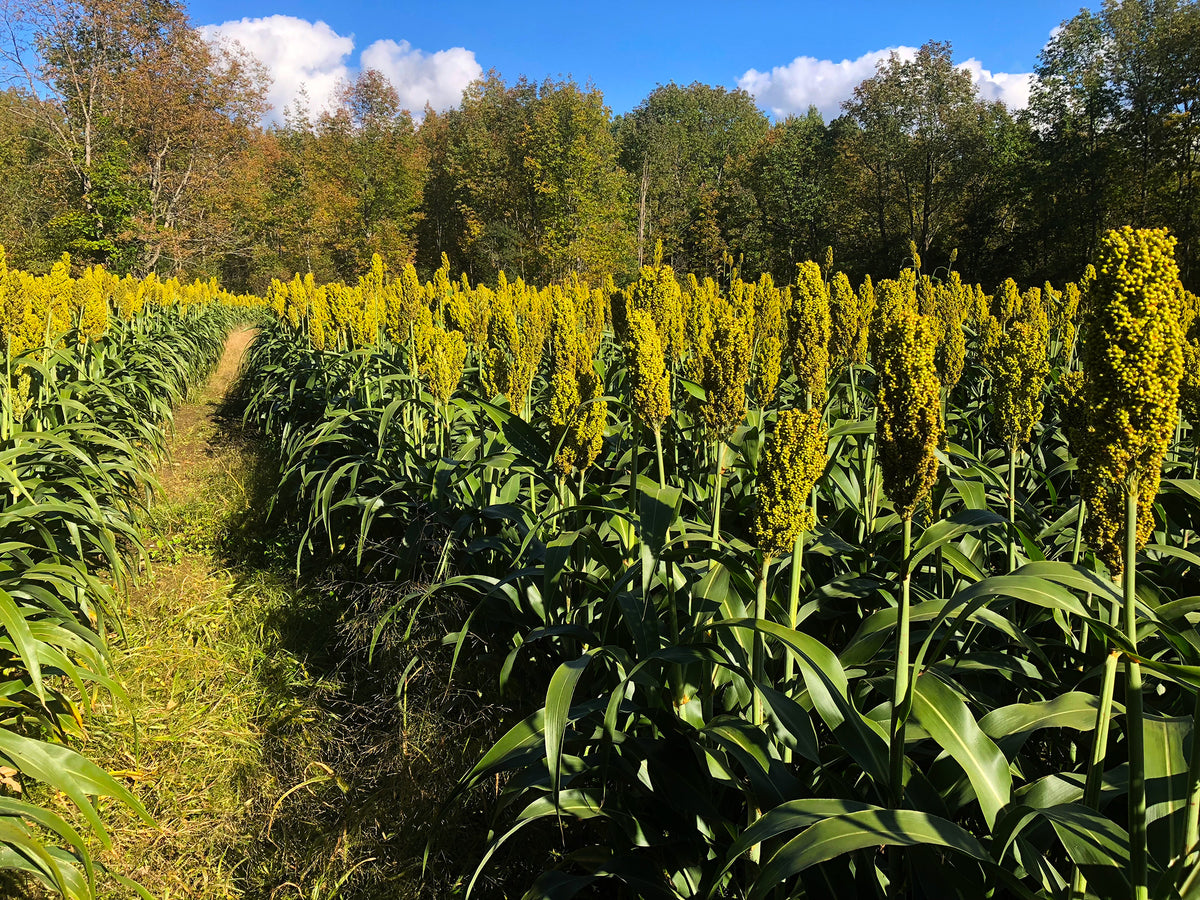
Dal's Big River crabgrass is a high-quality, improved variety of summer annual forage grass, developed by Dalrymple Farms for superior grazing and hay production, known for its palatability, digestibility, and ability to reseed itself, making it a valuable alternative to traditional summer forages when managed correctly, often planted by broadcasting with fertilizer or lime. It performs well in warmer, rainier conditions, providing protein and nutrients for livestock, but requires shallow planting and careful management for successful self-regeneration.
Product Information
- Application or Use: Pasture, Cattle Forage, Livestock Grazing, Hay Production
- Germination Time: 7 - 14 days, under optimal conditions
- Growing Locations: Warm Season, Transition Zone, Cool Season
- Height: Up to 3 feet
- Sunlight Requirements: 8+ hours, full sun for best results
- Advantages: High quality forage, tolerant of sandy/clay loam soils with good drainage.
- When to Plant: Recommended planting time is spring, summer and early fall, when night time temperatures are consistently 65+ degrees.
Product Detail
- Rapid Establishment
- Excellent forage yield
- High-quality hay and grazing potential
- Strong summer annual performance
Product Information
Big River Crabgrass represents the most recent variety development from one of our trusted, farmer-direct producers. This variety traces directly back to the original ‘Red River’ Crabgrass, which was released to the public by the Noble Research Institute in Ardmore, Oklahoma in 1988. Our farmer-direct supply has maintained exceptionally strict standards, almost religious, when it comes to seed field sanitation, genetic purity, and varietal protection. Through careful selection and isolation, our trusted farmer re-purified a super-pure source of the original ‘Red River’ Crabgrass, preserving the genetics that made it one of the most respected annual forage crabgrasses in the country.
As a runner grass, Crabgrass spreads by stolons, which can grow to 4 ft. in length. Where the stolons touch the ground, roots are produced. Red River Crabgrass can grow to around 3 ft. high, and produces enough seed for volunteer re-establishment.
This re-purified selection was released to the public in 2017. Big River Crabgrass is a genetically pure expression of the original 1988 ‘Red River’ Crabgrass, selected for uniformity, vigor, and forage production.
In its first selection and seed increase block, Big River Crabgrass produced approximately 4,200 lbs of forage per acre just 66 days after sprouting, while leaving a 3-inch stubble height. This growth stage represents an ideal hay harvest window, balancing yield and forage quality.
Under favorable conditions, Big River Crabgrass can exceed 3 feet in height. Even when lodging occurs due to heavy rainfall, the crop swaths well and forms clean windrows. While cutting too short may slow regrowth, adequate moisture allows the stand to recover and continue producing.
*Product packaging may appear different than what is pictured.
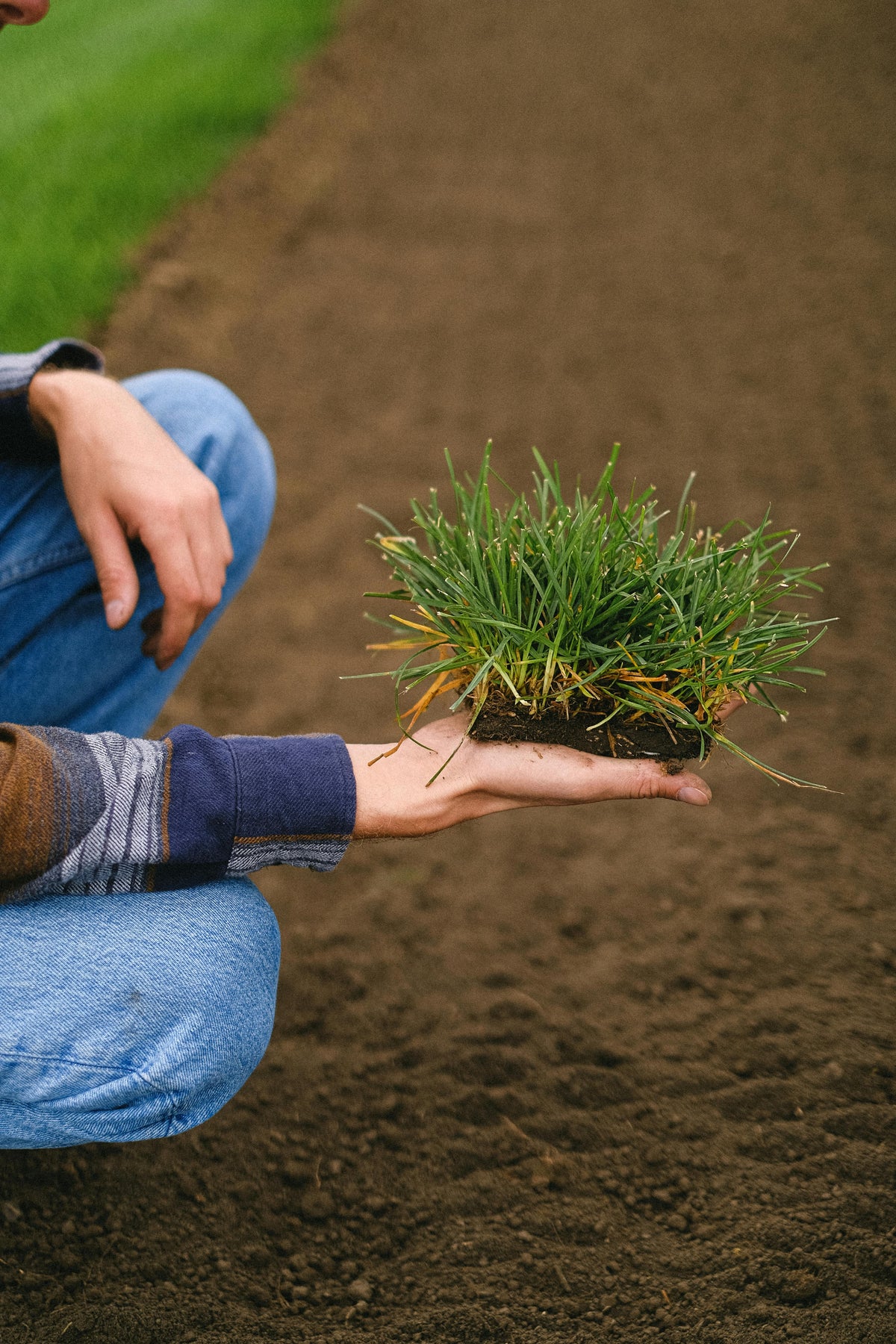
When choosing to start a new lawn, remove old vegetation by using a de-thatcher, power rake or tiller to kill the existing vegetation. Rake or drag the area to remove debris and dead grass for a clean area. Ensure the soil is leveled and loosened to allow the seed to have good soil contact once spread on a clean seed bed.
If you have an area with heavy weed coverage, we recommend starting fresh by killing and removing the existing vegetation. If you choose to use chemicals, herbicides or fertilizers, you must check with the product's manufacturer prior to planting new seed to ensure the proper waiting period.
When overseeding an existing area, mow your lawn at the lowest setting and bag the clippingsx. Rake or drag any areas that have dead thatch or debris.

Seed Quality
Hancock Seed is dedicated to delivering the best seeds possible to our customers. Hancock Seed grows and harvests many of our products, and we acquire the majority of the rest from other family farmers.
All these seeds are processed, packaged and shipped from Hancock Farm. This helps us ensure that our high standards are met. Unlike much of the competition, we refuse to sell you a seed that was not gathered during the last harvest. You will always receive fresh product from Hancock.
Every seed we grow comes with 40 years of experience behind it...you can rest assured that all of our products are cultivated in a method that assures its potential for growth.
Your cart ( 0 )
Dal's Big River crabgrass is a high-quality, improved variety of summer annual forage grass, developed by Dalrymple Farms for superior grazing and hay production, known for its palatability, digestibility, and ability to reseed itself, making it a valuable alternative to traditional summer forages when managed correctly, often planted by broadcasting with fertilizer or lime. It performs well in warmer, rainier conditions, providing protein and nutrients for livestock, but requires shallow planting and careful management for successful self-regeneration.
Product Information
- Application or Use: Pasture, Cattle Forage, Livestock Grazing, Hay Production
- Germination Time: 7 - 14 days, under optimal conditions
- Growing Locations: Warm Season, Transition Zone, Cool Season
- Height: Up to 3 feet
- Sunlight Requirements: 8+ hours, full sun for best results
- Advantages: High quality forage, tolerant of sandy/clay loam soils with good drainage.
- When to Plant: Recommended planting time is spring, summer and early fall, when night time temperatures are consistently 65+ degrees.
Product Detail
- Rapid Establishment
- Excellent forage yield
- High-quality hay and grazing potential
- Strong summer annual performance
Product Information
Big River Crabgrass represents the most recent variety development from one of our trusted, farmer-direct producers. This variety traces directly back to the original ‘Red River’ Crabgrass, which was released to the public by the Noble Research Institute in Ardmore, Oklahoma in 1988. Our farmer-direct supply has maintained exceptionally strict standards, almost religious, when it comes to seed field sanitation, genetic purity, and varietal protection. Through careful selection and isolation, our trusted farmer re-purified a super-pure source of the original ‘Red River’ Crabgrass, preserving the genetics that made it one of the most respected annual forage crabgrasses in the country.
As a runner grass, Crabgrass spreads by stolons, which can grow to 4 ft. in length. Where the stolons touch the ground, roots are produced. Red River Crabgrass can grow to around 3 ft. high, and produces enough seed for volunteer re-establishment.
This re-purified selection was released to the public in 2017. Big River Crabgrass is a genetically pure expression of the original 1988 ‘Red River’ Crabgrass, selected for uniformity, vigor, and forage production.
In its first selection and seed increase block, Big River Crabgrass produced approximately 4,200 lbs of forage per acre just 66 days after sprouting, while leaving a 3-inch stubble height. This growth stage represents an ideal hay harvest window, balancing yield and forage quality.
Under favorable conditions, Big River Crabgrass can exceed 3 feet in height. Even when lodging occurs due to heavy rainfall, the crop swaths well and forms clean windrows. While cutting too short may slow regrowth, adequate moisture allows the stand to recover and continue producing.
*Product packaging may appear different than what is pictured.
Instructions
When choosing to start a new lawn, remove old vegetation by using a de-thatcher, power rake or tiller to kill the existing vegetation. Rake or drag the area to remove debris and dead grass for a clean area. Ensure the soil is leveled and loosened to allow the seed to have good soil contact once spread on a clean seed bed.
If you have an area with heavy weed coverage, we recommend starting fresh by killing and removing the existing vegetation. If you choose to use chemicals, herbicides or fertilizers, you must check with the product's manufacturer prior to planting new seed to ensure the proper waiting period.
When overseeding an existing area, mow your lawn at the lowest setting and bag the clippingsx. Rake or drag any areas that have dead thatch or debris.