



Your Seed Needs Oxygen: Here’s Why
Share

When we think about what a seed needs to grow, water is probably one of the first things that comes to mind. And for good reason: water is essential for germination. But there is another important part of the equation that is easy to overlook: oxygen. A seed may be small, but once it begins to germinate, a lot is happening beneath the soil. Understanding the role oxygen plays can help us better understand how moisture, soil conditions, and planting practices all work together to give seed a good start.
What Happens When a Seed Germinates?
Germination begins when a seed takes in water. That moisture wakes the seed up and gets the processes of germination moving. As the seed begins to grow, it uses the food reserves stored inside it for energy. Just like a growing plant, the seed needs oxygen to help turn that stored food into usable energy. This allows the seed to begin developing its root and shoot.
Think of it this way: water gets the seed going, but oxygen helps keep the process moving.
Seeds also need the right temperature and other environmental conditions to germinate successfully. The exact requirements vary depending on the type of seed, but moisture, air, and temperature are all important pieces of the process.
So, Does That Mean We Should Water Less? Not at all.
This is an important distinction. A seed that doesn't have enough moisture isn't going to germinate simply because it has access to oxygen. The goal is consistent moisture without keeping the soil saturated.
Think about the soil around a seed. There are tiny spaces between soil particles that can hold both water and air. When those spaces are filled completely with water for an extended period, there is less room for air around the seed. Compacted soil can create a similar problem by reducing the space available for air and water to move.
On the other hand, if the soil dries out after a seed has started absorbing water, germination can be interrupted and young seedlings can struggle to survive. So, when it comes to watering newly planted seed, we aren't choosing between water and oxygen. We are trying to provide the right amount of both.
What Does This Mean When You Plant?
Knowing that seeds need both moisture and oxygen gives us a better way to think about planting and establishment.
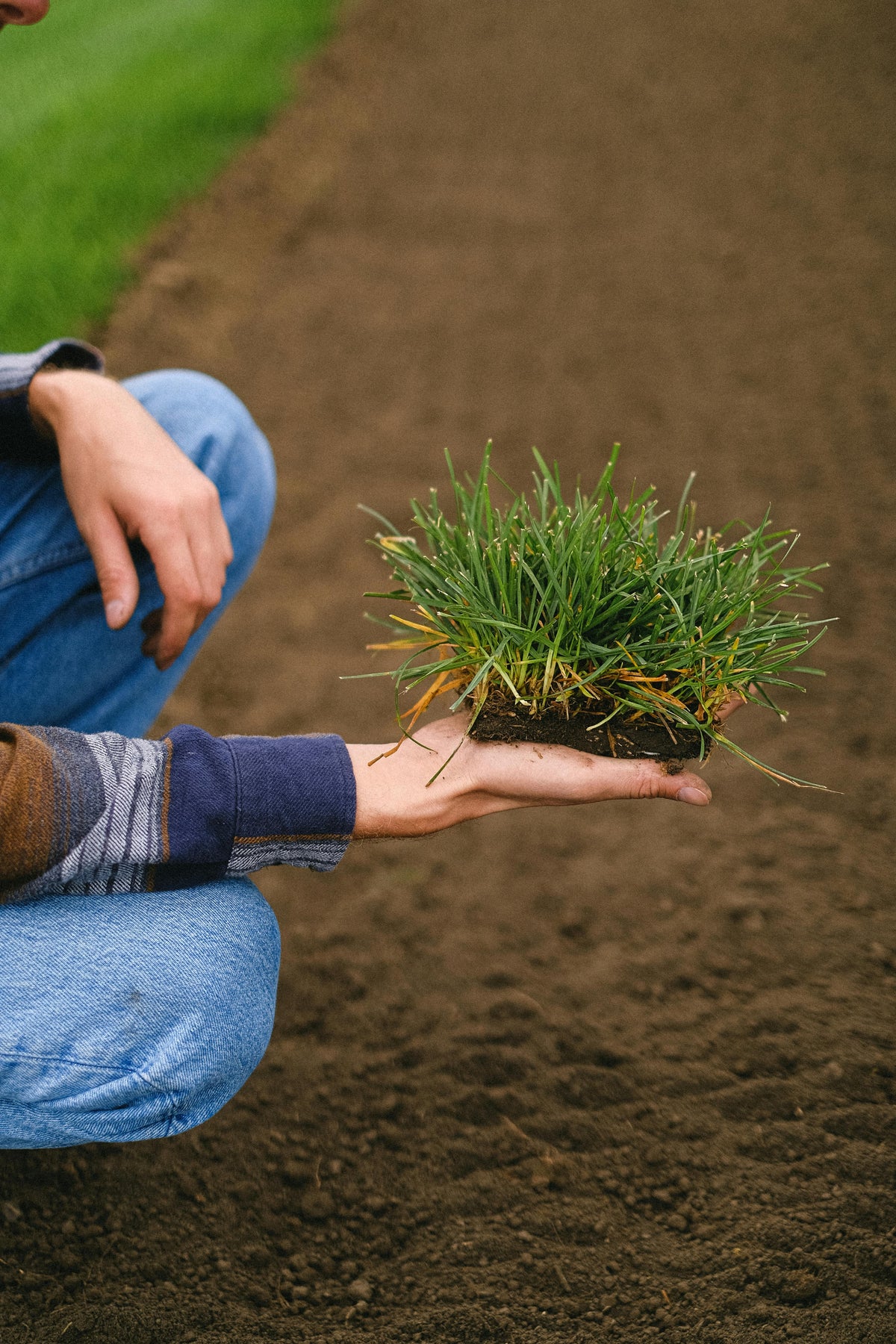
Start with the soil. The condition of your soil can have a big impact on how well your seed gets established. A well-prepared seedbed gives the seed good contact with the soil while still allowing air and water to move through it.
Watch for compacted soil. When soil becomes heavily compacted, the spaces between soil particles become smaller. That means there is less room for air to move through the soil and reach the seed. In other words, if your soil is compacted, your seed may not be getting the oxygen it needs to germinate and grow. Proper soil preparation can help create the space your seed needs for both air and water to move through the soil.
Keep your seed moist. At Hancock Seed Co., we recommend watering 30 minutes twice a day; once in the early morning and again in the late evening when establishing seed. The goal is to keep the seedbed consistently moist while the seed is getting started.
Pay attention to the weather. Your watering schedule may need to change depending on what Mother Nature is already providing. If you receive a good rainfall, you may not need to provide the same amount of supplemental irrigation that day. On the other hand, during a hot or dry stretch, additional watering may be necessary to keep the seedbed from drying out.
Good establishment starts with creating the right environment for your seed, enough moisture, enough oxygen, and soil conditions that allow both to reach the seed.
Give Your Seed the Right Start
Successful germination isn't about keeping seed wet or keeping it dry. It is about keeping it consistently moist while providing the soil conditions it needs to breathe and grow. Water is essential. Oxygen is essential. Temperature, planting depth, seed quality, and soil conditions all play a role, too. The next time you put seed in the ground, remember that there is a lot happening beneath the surface. A little attention to moisture, soil preparation, and planting conditions can go a long way toward helping that seed get off to a strong start.
References
Penn State Extension. (n.d.). Seed and seedling biology. Pennsylvania State University. https://extension.psu.edu/seed-and-seedling-biology
University of Florida IFAS Extension. (n.d.). Establishing your Florida lawn. University of Florida. https://edis.ifas.ufl.edu/publication/LH013
