



The Four Pillars of a Productive Pasture
Share

A productive pasture doesn’t happen by accident. It takes thoughtful management from the soil up. Whether you’re grazing livestock, cutting hay, or establishing a new forage stand, long-term success starts with more than just planting quality seed. The right management practices are what help that forage reach its full potential.
Over the years, we’ve seen that the healthiest, most productive pastures often have a few things in common: balanced soil fertility, proper forage selection, effective weed control, and proper forage utilization and management. Each of these factors plays an important role in maintaining strong stands, improving forage quality, and supporting long-term productivity.
When one piece is overlooked, it can impact the entire system. By focusing on these key areas, producers can build healthier, more resilient pastures that continue to perform season after season.
Here are four fundamentals every successful forage system should consider.
Pillar 1: Build Healthy Soil First
Every productive pasture starts below the surface.
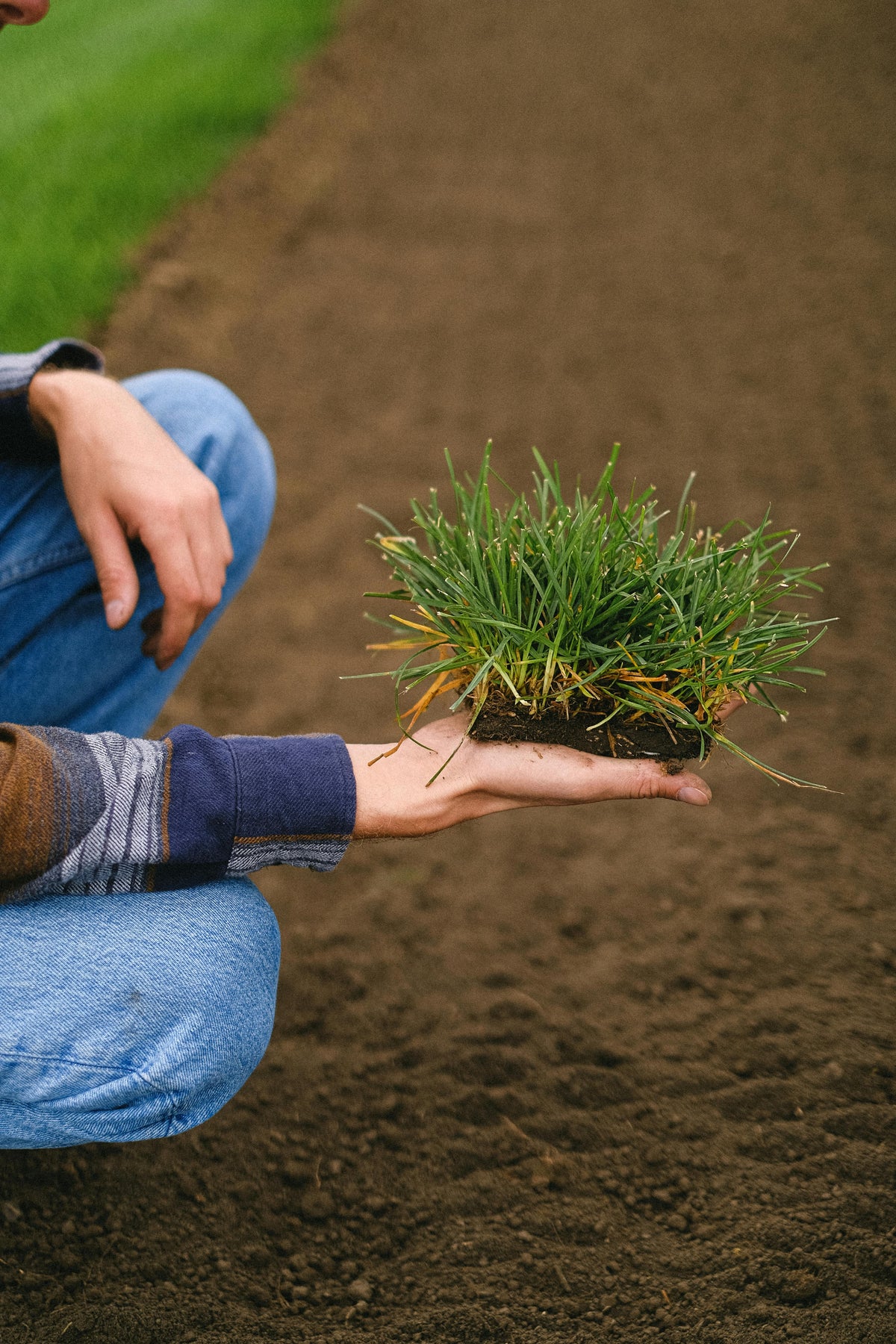
Before applying fertilizer or making management decisions, it's important to understand what your soil needs. A soil test is the best place to start because it measures nutrient levels and soil pH, allowing you to make informed fertilizer and lime recommendations instead of guessing.
If you choose not to do a soil test, a balanced fertilizer such as Hancock’s 16-04-08 Lawn & Pasture Fertilizer can be a practical starting point for many pastures. It supplies nitrogen, phosphorus, and potassium; the three primary nutrients forage grasses need for healthy growth. While it isn't a replacement for a soil test, it can help provide a solid nutritional foundation until a soil sample is taken.
Nitrogen is one of the most important nutrients for forage grasses. In fact, Oklahoma State University notes that nitrogen is second only to moisture in importance for maximum plant growth and plays a major role in both forage production and forage quality. Phosphorus, potassium, and proper soil pH are also essential for healthy plant development.
When soil fertility is managed according to soil test recommendations, pastures are better equipped to produce vigorous forage that supports livestock throughout the growing season.
Soil pH plays a major role in nutrient availability. Even when nutrients are present, plants may struggle to access them if the soil pH is too high or too low. Maintaining the proper pH helps ensure forage plants can make the most of available nutrients.
If soil tests show that pH levels are too low, applying lime can help correct soil acidity and create a better growing environment for forage plants. Lime works by raising soil pH, improving nutrient availability, and helping plants more effectively use the fertilizer already present in the soil. Like fertilizer, lime applications should be based on soil test recommendations to ensure the proper amount is applied.
Key takeaway: Healthy soil provides the foundation for healthy forage.
Pillar 2: Manage Grazing for Long-Term Success
Whether forage is harvested by grazing livestock or by cutting hay, how and when it's removed has a direct impact on forage quality, pasture health, and future productivity.
For grazing operations, one of the most important aspects of pasture management is maintaining the proper stocking rate, the number of animals grazing a given area. Overstocking, or having too many animals on too little land, can reduce desirable forage species, encourage weed growth, decrease animal performance, and lower overall pasture productivity. On the other hand, understocking can lead to uneven grazing, allowing some forage to become overly mature, less palatable, and lower in nutritional value.

The same principle applies to hay production. Waiting too long to cut hay can increase tonnage, but as forage matures, its nutritional value declines. Finding the right balance between yield and quality helps produce better forage while supporting long-term stand health.

Whether you're grazing livestock or harvesting hay, it's also important to leave enough plant material behind after each harvest. The remaining leaf area allows forage plants to continue photosynthesis, replenish energy reserves, and recover more quickly for future growth. Removing too much forage can slow regrowth, weaken the stand, and reduce future production.
Key takeaway: Productive forage systems are built on balancing forage quality, proper utilization, and plant recovery.
Pillar 3: Prevent Weeds by Strengthening Your Pasture
When weeds begin taking over a pasture, it's easy to assume the solution is simply spraying herbicide. However, weeds are often a symptom rather than the root problem.
Weeds are opportunists. Weed infestations commonly develop where pastures have been overgrazed or where fertility and overall management have declined. Thin forage stands leave open space for undesirable plants to establish, reducing pasture quality over time.
Maintaining a healthy, competitive forage stand is one of the best ways to reduce weed pressure. Improving fertility, adjusting stocking rates, and promoting strong forage growth can help desirable plants compete with unwanted species and prevent weeds from gaining a foothold.
Proper weed control starts with identification. Different weeds respond to different management practices, and knowing whether you are dealing with annuals, perennials, grasses, or broadleaf weeds can help determine the most effective control strategy.
If you choose to use herbicides, they can be an excellent management tool when used correctly. However, selecting the right product is an important step because weed species and forage plants can respond very differently to herbicide applications. The wrong herbicide may not effectively control the target weed and could potentially injure desirable forage species.
Before applying any herbicide, consider reaching out to your local Extension agent, agronomist, or herbicide professional for recommendations based on the specific weeds present and the forage growing in your field. The goal is to control unwanted weeds while protecting the healthy forage you’ve worked hard to establish.
Key takeaway: Healthy forage is often your first line of defense against weeds.
Pillar 4: Choose the Right Forage for Your Goals
Not every forage species performs the same under every condition.
Selecting the right grass or legume depends on your climate, soil type, intended use, and management goals. Soil conditions, including drainage and fertility, play an important role in determining which forages will perform best. A species that thrives in one field may struggle in another if the growing conditions are not a good match.
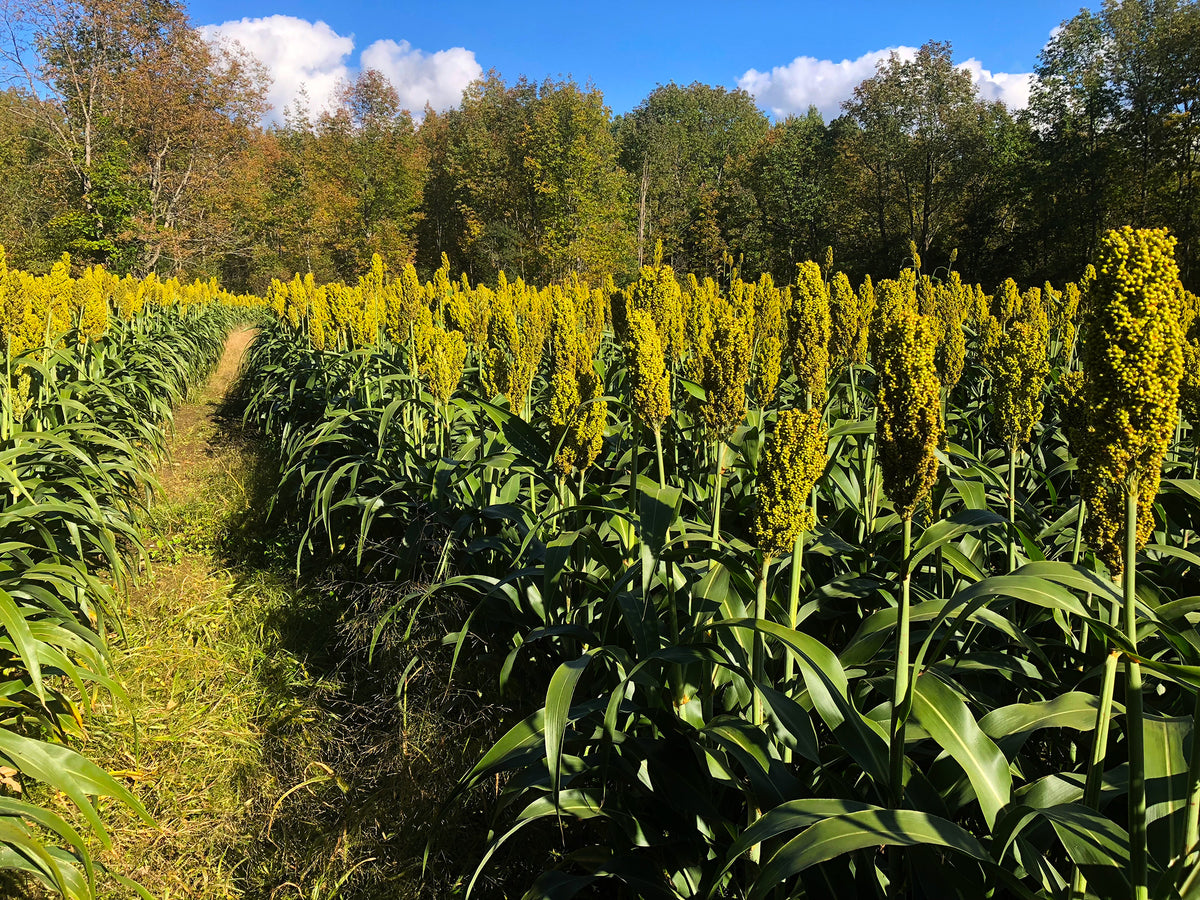
Warm-season grasses typically provide the most growth during the hotter months of the year, while cool-season species help extend grazing into the spring or fall. It is also important to consider how the forage will be used, as varieties that work well for grazing may not always be the best fit for hay production.
Many livestock operations benefit from combining different forage types to provide more consistent grazing throughout the year. Matching forage species to your operation and then managing those forages according to their specific needs can improve both productivity and long-term pasture health.

Starting with quality seed gives your pasture the best opportunity for success, but proper management is what allows that investment to reach its full potential.
Key takeaway: The right forage, managed correctly, helps maximize pasture performance.
Building a Better Pasture Starts Here
Productive pastures aren't built overnight, and they don't rely on just one management practice. Healthy soil, smart grazing, proactive weed management, and selecting the right forage all work together to create a pasture that performs season after season.
By focusing on these four fundamentals, you'll build a stronger, more resilient pasture that supports healthy forage, productive livestock, and better returns from every acre.
